Category: Uncategorized

  • Spring Gardening Tips: Avoid Subsidence

    Spring Gardening Tips: Avoid Subsidence

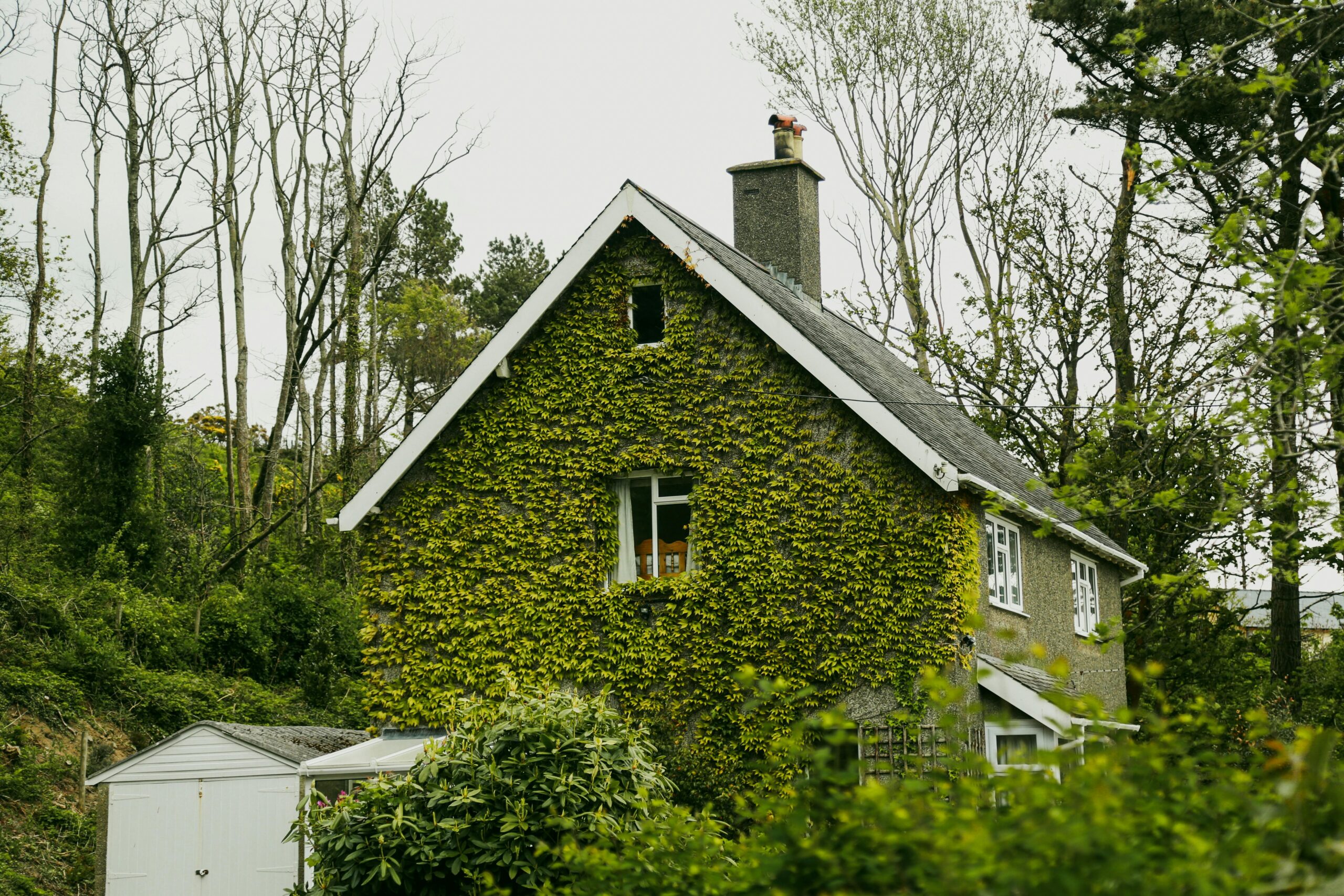
    As spring approaches, homeowners with gardens need to be especially mindful of tree-related subsidence. This occurs when tree roots absorb excessive water from the soil, causing it to shrink and destabilise. Over time, this can lead to cracks and movement in your foundations, resulting in home subsidence . Spring and summer are particularly crucial times to be aware of tree-related subsidence, as trees and plants are growing actively and require more water. There are several ways to avoid tree-related subsidence, from choosing the right spot and type of trees to plant, to maintaining them properly and keeping an eye on nearby drains. To help you avoid tree-related subsidence, in this post we share some essential tips to keep in mind.

    Choose Trees Wisely

    When planting trees or shrubs in a garden, it’s important to choose species that are less likely to cause subsidence in houses . Some tree roots are aggressive and can absorb large amounts of water, causing the soil to shrink and destabilise, which can lead to home subsidence . Trees like willows or poplars have extensive root systems that can increase subsidence causes . Opting for trees with smaller, less invasive root systems will reduce the risk of foundation damage and maintain soil stability.

    Don’t Plant Trees or Shrubs Close To Buildings

    To minimise the risk of subsidence in houses , always plant trees or shrubs at a safe distance from your home. Tree roots can extend much farther than the visible branches, and if planted too close to foundations, they can draw excessive moisture from the soil. This can cause ground shrinkage and eventually lead to home subsidence . It’s advisable to plant trees at least a few metres away from your property, ensuring that roots won’t interfere with your home’s stability or drainage system.

    Ensure Trees are Preserved

    While trees can enhance your garden’s beauty, it’s crucial to ensure they are well-preserved and don’t contribute to property subsidence . Healthy trees with stable, well-maintained roots are less likely to destabilise the surrounding soil. Regularly check for signs of root expansion near the foundations and assess soil moisture levels. If any roots are pushing into the foundations, it’s best to take action early. Proper preservation of trees will protect your home against subsidence causes and maintain a strong foundation.

    Watch out for Leaking Drains

    Leaking drains near tree roots can accelerate home subsidence by encouraging roots to seek moisture. Over time, this can cause soil erosion and destabilisation, leading to subsidence in houses . Regularly check your drains for leaks and repair any issues promptly to prevent water accumulation. Keeping your drainage system in good condition helps reduce the risk of subsidence caused by excess moisture and root growth.

    Avoid Areas Where Clay Soils are Common

    Clay soils are prone to expansion and contraction with changes in moisture levels, making them a common cause of subsidence in houses . If your garden is located in an area with clay-rich soil, be particularly cautious when planting trees or shrubs. The soil can shrink when dry, and tree roots may absorb moisture, increasing home subsidence . If possible, choose planting areas with more stable soil types to reduce the risk of ground movement and protect your property from subsidence issues.

    Contact Subsidence Ltd for Tree Related Subsidence Issues

    If you’re facing tree-related home subsidence you can contact Subsidence Ltd for expert help. We are here to assist homeowners all across the UK with their home subsidence problems, with the ability to raise, re-level, and re-support your home in as little as a day – without the need for underpinning. With over 16 years of experience, we have successfully completed more than 2000 jobs across the UK using our specialist resin injection techniques to solve home subsidence problems quickly and effectively. If you want an estimate of how much your home subsidence repairs might cost, use our subsidence repair cost online calculator .

    Our subsidence repairs are suitable for a range of issues, including problems caused by trees, hot weather, and poor drainage amongst others. Also, why not utilise our subsidence risk postcode checker to identify areas in the UK that are prone to subsidence issues. Want to learn more about our subsidence house repairs and get a free quote? Contact Subsidence Ltd today by filling out our online contact form or calling our expert team at 0333 1300592.
  • How a Hot Summer Can Affect Your Home’s Foundations | Subsidence Ltd

    How a Hot Summer Can Affect Your Home’s Foundations | Subsidence Ltd

    Hot summers can affect a home’s foundations and contribute to subsidence issues , a problem no homeowner wants. During prolonged periods of dry, hot weather, the soil in your garden can shrink as it loses moisture, destabilising the foundations and leading to home subsidence. However, spotting the signs of structural damage from hot weather and knowing how to prevent it can be a challenge. In this post, we explore the signs of structural damage caused by hot weather and provide some insights in how to prevent these issues.

    Signs of Structural Damage During Hot Weather

    Whilst it can be challenging to understand if your home has subsidence , there are some signs to watch out for. Below we share some of the key signs of structural damage during hot weather:

    Cracks in Walls or Floors

    One of the most common signs of home subsidence caused by hot weather is the appearance of cracks in walls or floors. These cracks may develop suddenly or worsen over time as the soil beneath your property shrinks due to dry conditions. Cracks in plaster or around door frames may indicate subsidence is present. If you’re wondering what subsidence looks like , you can read our blog post on identifying cracks that may be linked to subsidence .

    Sinking or Cracks in Foundations

    Sinking or cracks in your home’s foundations can be a clear sign of subsidence, particularly in dry weather. As the moisture in the soil decreases, the ground beneath your property can shrink, leading to foundation movement. Uneven surfaces, gaps in exterior walls, or sinking near the foundation are early warning signs.

    Doors or Windows That Won’t Close Properly

    During hot weather, the shifting of the ground beneath your property can lead to structural changes. A common sign of home subsidence is a door or a window that no longer closes properly. If frames become misaligned, it could indicate foundation movement due to subsidence causes . This issue, when combined with other signs like cracks or sloping floors, could point to subsidence caused by hot, dry conditions.

    Sloping Floors

    Sloping floors are a tell-tale sign of subsidence during dry weather. As the soil beneath your foundation shrinks and shifts, it can cause your home to settle unevenly. If you notice uneven or sloping floors, it may be a result of subsidence. This can lead to cracks or gaps between floorboards and walls.

    Preventing Foundation Problems During Hot Weather

    Although hot weather can impact your home’s foundations and lead to subsidence problems, there are steps you can take to mitigate the risk. Below, we explore some of these tips in further detail:

    Plant Trees Away from Building Foundations

    Trees planted too close to your home can cause home subsidence as their roots absorb large amounts of water, leading to soil shrinkage. To avoid these common subsidence causes , ensure trees are planted at a safe distance from your building’s foundations. This helps prevent the roots from disturbing the soil and causing instability around your home. If you are planning on some spring planting in your garden, you can read some tips here on how to avoid tree related subsidence issues in the future.

    Make Sure Your Drainage System Works Properly

    A well-functioning drainage system is essential for preventing subsidence during hot weather. Ensure that your gutters, downpipes, and drainage channels are clear and direct water away from your property’s foundations. Poor drainage can cause moisture imbalances in the soil, contributing to subsidence and increasing the risk of ground shrinkage that leads to subsidence.

    Contact Subsidence Ltd for Foundation Repairs

    If the foundations of your home have suffered due to hot weather, Subsidence Ltd are here to assist you. Our expert team has the knowledge, skills, and expertise to lift and stabilise your property’s foundations within a day using our resin injections, and we provide a warranty for the work we complete to give you peace of mind. We can quickly and effectively fix home subsidence problems, backed by over 16 years of experience and over 1,000 satisfied customers.

    To learn more about how much home and commercial subsidence repairs may cost, use our online calculator . We work across the UK in a number of areas, why not use our subsidence risk postcode checker to see if your area is more at risk of subsidence problems? To find out more about how we can help with your home subsidence problem, contact us today, and we can give you more information or a free quote.

  • How the Winter Weather Can Lead to Subsidence Issues

    How the Winter Weather Can Lead to Subsidence Issues

    British winter weather, particularly the combination of heavy rain and colder temperatures, can contribute to subsidence issues in homes. These unpredictable weather conditions, which are becoming increasingly common in the UK, can result in subsidence that causes structural damage, safety risks, and can lead to expensive repairs. It’s important to understand the connection between winter weather and subsidence issues, as well as to recognise the signs that may indicate subsidence is present in your home. In this post, we will explain how winter weather can lead to subsidence problems and explore the key signs to watch for that suggest weather-related subsidence may be affecting your property.

    How Rain and Cold Weather Can Affect House Foundations

    Rain and cold weather, which are very common in the UK, can significantly contribute to subsidence and problems with house foundations. During the winter months, heavy rainfall is typical in the UK, and this can saturate the soil, causing it to shift and expand. This excess moisture can weaken the stability of your property’s foundations. Additionally, as the ground dries or freezes in colder weather, it contracts.

    These fluctuations in moisture levels and temperature can cause the ground to move beneath the foundations, leading to subsidence. Over time, this movement can result in structural damage, such as cracks in walls, which can affect the overall stability and safety of a home. This damage can worsen over time if the subsidence issue is not addressed. Therefore, it is essential for homeowners to monitor the effects of wet and cold weather can have on a property to ensure that house subsidence is not present.

    Some parts of the UK are more susceptible to subsidence than others. Check your postcode now , and get in touch with us if you have any questions.

    What are the Common Signs of Subsidence?

    Although it can be challenging to spot subsidence in a home during the winter months, there are some common signs to watch for . Identifying these signs early and seeking professional help is crucial, as it can prevent subsidence from worsening, leading to more safety risks, additional damage, and costly repairs. Below are some of the most common signs that you may have subsidence in your home:

    Cracks in Walls

    Cracks in your home’s walls, particularly those that appear suddenly or widen over time, are a common sign of subsidence. When the ground shifts due to excess moisture from heavy rain or freezing temperatures, the foundation may settle unevenly. This movement can cause cracks to appear in your walls, as the structure of the home no longer remains properly aligned with the foundation. These cracks often appear around windows, doors, and corners, and may become more noticeable after periods of heavy rainfall or freezing weather. If you spot cracks in walls, it is essential to investigate the cause, as this could indicate the presence of subsidence.

    Sinking Foundations

    Sinking foundations, often caused by the movement of the soil beneath a property. In winter, when rain saturates the ground and freezing temperatures cause the soil to expand and contract, it can weaken the foundation’s support. As the ground shifts, the foundations may begin to sink or tilt, which can lead to structural instability. Over time, this sinking can result in significant damage to your home’s overall stability. If you notice unevenness or shifting in your foundation, it’s important to act quickly to prevent further damage.

    Uneven or Sloping Floors

    Uneven or sloping floors are a result of house subsidence because shifting soil affects the level of the foundation. When the ground beneath the home shifts due to the expansion and contraction of wet or frozen soil, it can cause the floors to become uneven. This movement, especially during wet and cold conditions, causes parts of the house to sink or shift, resulting in noticeable sloping floors. You may experience difficulty walking on floors that seem uneven or feel that some areas have noticeable dips and angles.

    While these are just a few of the most common signs that you might have subsidence in your home, there are also other signs to watch for. You can learn more about these signs by reading our blog on how to spot subsidence in your home . It’s important to stay vigilant and monitor your property for these changes, as early detection can prevent more serious and costly damage.

    If you suspect that you have any of these subsidence issues, it’s important to act quickly and contact specialists like Subsidence Ltd . We can effectively address subsidence problems, ensuring your home doesn’t continue to suffer from the effects of subsidence. Taking prompt action can prevent further damage caused by house subsidence, and save you from costly repairs down the line.

    Find Out More – Contact Subsidence Ltd

    If your home has been affected by the wet and cold weather, leading to subsidence issues, you can trust Subsidence Ltd to help. We specialise in house subsidence repairs, assisting homeowners across the UK with our cutting-edge resin solution that quickly resolves subsidence problems. We can raise, re-level, and re-support your property in as little as a day, addressing all kinds of house subsidence issues , from cracks in walls and sinking foundations to uneven or sloping floors.

    With over 2,000 house subsidence jobs completed and more than 16 years of experience, you can rely on our experts to resolve your subsidence problems efficiently and effectively, all at an affordable price. To receive a free quote for subsidence repairs, contact us today. Just fill out our online quote form , and we’ll get in touch with you shortly, or you can call us on 0333 1300 592 to speak directly with a member of our team. Ensure your winter weather induced subsidence is sorted quickly by working with Subsidence Ltd .

  • Is Subsidence Covered by House Insurance?

    Is Subsidence Covered by House Insurance?

    Subsidence is one of the most serious issues homeowners can face, with the potential to compromise the safety of your property and lead to costly and extensive repairs. It’s something no homeowner wants to deal with, and when it happens, many are left wondering if their house insurance will cover the costs. You may find yourself unsure whether the insurer will pay for the necessary repairs, or if you’ll be left to cover the bill yourself. Here at Subsidence Ltd , we specialise in providing nationwide subsidence repairs, and in this blog, we’ll help clarify how subsidence and house insurance work. We’ll cover everything you need to know to ensure you’re fully informed about your options with your insurer if subsidence affects your home.

    What is Subsidence?

    Subsidence is a serious issue that occurs when the ground beneath a property sinks, causing the foundations to settle or sink with it. This means that the foundations are no longer able to fully support the weight of the building. As a result, the structure becomes unstable, and the walls and floors can shift away from the original groundwork. This often leads to cracks appearing in walls and ceilings and can cause further significant damage to your property. Several visible signs may indicate that you have subsidence present in your home including:

    • Cracks appearing in your walls

    • Sinking foundations

    • Uneven or sloping floors

    • Noticeable leaning of your property

    • Gaps around windows or door frames

    To learn how to spot subsidence in your home, you can read this blog post . It’s vital for homeowners to monitor these signs and act quickly, as subsidence can worsen over time if left untreated and lead to more costly repairs.

    The Role of House Insurance in Subsidence Claims

    House insurance can provide financial protection for homeowners when damage occurs due to subsidence. If subsidence is identified, your house insurance may cover the cost of specialist repairs, such as those provided by Subsidence Ltd , to address the cause of the problem. House insurance can also potentially help cover the costs of repairing structural damage, such as cracks in walls and floors, and stabilising the foundations.

    The role of the house insurance company is to assess the damage in your home, confirm whether subsidence is the cause, and guide you through the process of submitting a claim and arranging repairs. However, it’s important to note that different insurance companies offer varying levels of protection, so it’s essential to understand the specifics of your policy. Contacting your insurer will give you a clearer understanding of what’s covered and how to proceed.

    What Does House Insurance Typically Cover for Subsidence Claims?

    What your house insurance covers in terms of subsidence claims depends on your insurance provider. Typically, it may cover the cost of repairing damage caused by subsidence, including structural issues like cracks in walls, ceilings, and floors, as well as the reinstatement of foundations. Many insurers also cover the cost of specialist repairs, such as resin injections , which help address subsidence and prevent further movement.

    In some cases, insurance policies may also pay for temporary accommodation if your home becomes uninhabitable during repairs. Additionally, some policies may cover the cost of surveying and assessing damage, as well as remedial work. It’s important to review your insurance policy to ensure that subsidence is covered and to understand any limits or excesses that may apply. Generally, you will need to pay an excess when making a subsidence claim, just as with other types of insurance.

    What is Typically Not Covered by House Insurance?

    While house insurance typically covers repairs for subsidence, certain exclusions may apply. Most insurers will not cover damage caused by factors such as poor maintenance or neglect, including failure to address existing cracks or structural issues that may have contributed to subsidence. Similarly, damage due to natural wear and tear, or issues caused by tree roots or plants that were not properly managed, may not be covered.

    It’s crucial to carefully review your house insurance policy to understand the specific terms and conditions. If you suspect subsidence, contact your insurance provider to discuss what’s covered under your policy.

    How to Claim for Subsidence

    If you think that you might have subsidence, it’s important to act quickly. The first step is to gather evidence, such as photographs of the damage, which will help support your claim. Contact your insurance provider as soon as possible to report the issue and provide them with the evidence you’ve collected.

    Your insurer will likely send a surveyor to assess the damage and confirm whether subsidence is the cause. If subsidence is confirmed, the insurer will guide you through the next steps, which may include arranging repairs. Be sure to keep a record of all communication with your insurer, as well as any reports or estimates from professionals, to ensure your claim is processed efficiently.

    Find Out More – Contact Us Today

    At Subsidence Ltd , we specialise in providing homeowners across the UK with resin-injection subsidence repairs. As a business, we have over 16 years of expertise in restoring homes to their original state quickly, using our highly effective and non-invasive subsidence treatment. We’ll also provide you with support for your home insurance claim and offer assistance with submitting an application to your insurance provider.

    We can resolve a wide range of issues caused by house subsidence , from sinking floors to cracks in walls, ensuring your home’s stability is reinstated. Our cutting-edge resin injection technology fixes subsidence issues in homes fast, whilst guaranteeing minimal complications. Our method is cheaper than traditional underpinning. To learn more about subsidence repairs and how we can help you with your insurance claim, contact us today. Fill out our online quote form or give us a call directly on 0333 1300 592.

  • Case Study | Subsidence Ltd & Yorkshire Housing Association

    Case Study | Subsidence Ltd & Yorkshire Housing Association

    Project background

    At a housing association property in Yorkshire, a leaking drain had caused subsidence around the kitchen window, kitchen walls, porch and dining room.

    With a young family living inside, the issue needed to be rectified as soon as possible with minimum disruption for the tenants. Yorkshire Housing Association used Subsidence Ltd’s innovative solution to fix the subsidence in just one day.

    Alternative solutions

    The traditional solution, underpinning, would have been problematic to implement in this situation. Firstly, it would take around a week and a half to carry out and would involve excavation below the property. The tenants would either have to move out while the work was being done, or endure disruption to the home environment, undoubtedly causing some distress.

    In addition, the property was a terraced house, and the location of the subsidence would have meant work had to be carried out on the party wall. This would require the council to obtain a party wall agreement, involving additional work and expense.

    The Subsidence Ltd Solution

    Subsidence Ltd handled this project from start to finish on behalf of the housing association, offering an end-to-end service. They inspected the property, identifying the broken drain and arranged for repairs to be carried out to the drain before fixing the subsidence with resin injection.

    Subsidence Ltd solution simply required a few small holes to be created in the ground at strategic points, through which an expanding and hardening resin was injected, compacting and stabilising the soil below. This work was carried out in just one day and there was no need for the tenants to vacate the property.

    Why was Subsidence Ltd chosen?

    Subsidence Ltd was the obvious choice for this project, as they were able to provide a solution that was non-disruptive, fast and more cost-effective than the alternative.

    Avoiding the need to get a party wall agreement and carry out work on the party wall saved the housing association lots of hassle and money. Subsidence Ltd resin injection method also meant the subsidence issue could be sorted in just a fraction of the time underpinning would have taken.

    Finally, the speed of the solution and minimal disruption was a lot better for the tenants living in the property.

  • Specialist Floor and Slab Lifting Services

    Specialist Floor and Slab Lifting Services

    At Subsidence Ltd, we specialise in delivering fast, cost-effective and accurate floor and slab lifting services throughout the UK. Our advanced floor stabilisation and lifting method is expertly designed for both residential properties and commercial or industrial facilities, providing a long-term, reliable solution for sinking, dropping and uneven floors and subsidence on commercial properties.

    Using our specialist rapid-curing solution, our skilled and highly experienced team can efficiently lift your floors back to level, ensuring they are fully supported and restored to the highest standard. For more information about our specialist floor and slab lifting services and to receive a free, no-obligation quote, contact our team today.

    Residential Floor Lifting

    Subsidence or settlement of floor slabs is a common issue in residential properties, often resulting in noticeable sinking or uneven floors. Key indicators that your floors may require lifting include sloping or uneven walking surfaces and gaps forming beneath skirting boards. These issues are typically not covered by standard home insurance policies, as they are often classified as structural or ground-related problems that generally fall outside standard coverage terms.

    However, most dropped floors in residential properties can be efficiently treated and leveled within a single day using our residential floor lifting services. We use a floor lifting technique that restores residential floors to a level and fully supported state, ensuring a stable, reliable, and long-lasting solution for homeowners. Our rapid-curing injection solution not only lifts and re-levels your residential floors but also enhances the stability of shallow soils beneath, providing extra durability and peace of mind.

    Commercial and Industrial Floor Lifting

    In commercial and industrial facilities, concrete slabs often drop due to the heavy loads and constant activity these environments experience. When this happens, any repairs must be carried out with minimal disruption to the facility’s operations to avoid costly downtime. Our concrete slab lifting solution is designed to quickly lift and relevel dropped slabs while working around your facility’s schedule, ensuring daily operations are impacted as little as possible.

    With decades of experience, we have successfully delivered large-scale floor slab releveling projects in warehouses, external loading areas, car parks, roads, and airports. Our advanced injectable solution can lift commercial and industrial flooring slabs with precision, achieving tolerances within 0.5mm. On average, several hundred square meters of slabs can be treated in a single shift. For larger areas, we can scale up operations by deploying additional team members to your site, ensuring an efficient and seamless process.

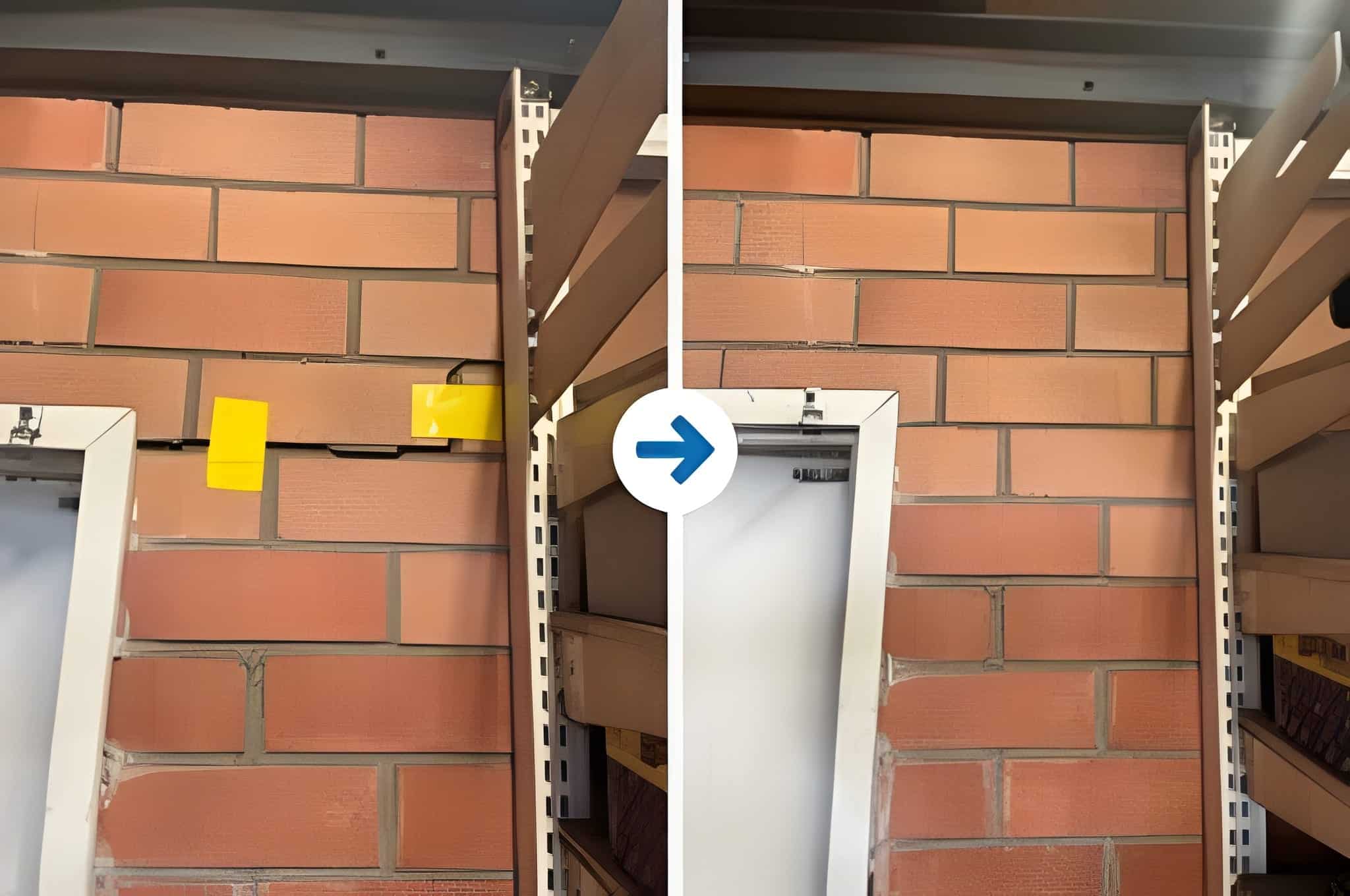
    post injection slab lifting. Gap closed.

    post injection slab lifting. Gap closed.

    Outlining the Floor Lifting Process

    Our floor lifting process involves the use of a rapid-curing, highly expansive two-part polyurethane solution. This advanced technique is suitable for both residential floors and commercial or industrial floors that are suffering from issues such as dropping, sinking, or unevenness.

    Our rapid-curing solution is precisely targeted to address specific problem areas within your flooring. The process typically involves drilling a grid of 12mm holes across the affected area and injecting the solution directly beneath the floor slabs. The solution works to fill any voids, lift, re-level, and fully support the flooring slabs with remarkable accuracy and stability.

    Once the process is complete, the materials cure rapidly, leaving your floors stable, level, and fully re-supported, ready to withstand ongoing use without compromise.

    Why Choose Subsidence Ltd for Floor Lifting Repairs

    When you work with Subsidence Ltd, you’re working with a company that prioritises quality, affordability, precision, and outstanding customer service. Our highly skilled and knowledgeable team completes all floor and slab lifting projects to the highest standards, ensuring efficiency and minimising disruption to your home or business.

    With thousands of projects successfully completed for both residential, commercial and industrial clients since our inception, you can rely on us to level your floors, fully support them, and restore them to their best possible condition. We also take pride in offering affordable, competitive pricing that provides excellent value for money, with no hidden costs.

    From your initial contact with us to the completion of your floor lifting project, our team will be there to provide dedicated support, ensuring a seamless and stress-free experience.

    Contact our Experts to Learn More

    To learn more about our floor and slab lifting services, get in touch with us today. We will conduct an in-person site visit to inspect the issue you’re facing at your residential home, commercial or industrial facility and provide you with a free quote for the necessary work.

    We can also arrange educational seminars for you and your team to explain our floor and slab lifting solutions, how they work, and provide examples of recently completed projects. Reach us by filling out our online contact form , or by calling 0333 1300 592.

  • 5 Reasons Why Resin Injections are Better Than Underpinning

    5 Reasons Why Resin Injections are Better Than Underpinning

    Millions of properties in the UK are affected by subsidence each year, which can lead to significant structural issues if left untreated. (Use our online UK postcode checker to see if your area is prone to subsidence.)

    Traditionally, underpinning was the primary solution; however, this approach is often invasive, time-consuming, and costly. Resin injections have since emerged as a highly effective alternative, providing an innovative and non-disruptive method for treating subsidence without the drawbacks of traditional underpinning. In this post, we will explain what resin injections are, why they’re used, and explore 5 reasons why they are a better solution than traditional underpinning for addressing subsidence issues.

    What are Resin Injections and Why are They Used?

    Resin injections are a minimally invasive method for repairing subsidence by stabilising a property’s foundation. Subsidence occurs when the ground beneath a property sinks or settles unevenly, leading to instability in the foundation. This ground movement can result from various factors, including weak soil conditions, water damage from leaks, nearby tree roots absorbing soil moisture and shallow foundations. As the foundation shifts, it can push walls and floors out of alignment, causing visible cracks and structural displacement.

    The resin injection process involves injecting a specialised resin material deep into the ground beneath the property. Once injected, the resin expands to fill cracks and voids, reinforcing the ground and providing essential support to the foundation. This added stability helps to prevent further sinking or settling, offering a lasting solution to subsidence.

    Why Resin Injections are Better than Underpinning

    Resin injections are rapidly gaining popularity for treating subsidence, particularly as property owners look for quicker, less invasive, and more cost-effective alternatives to underpinning. Below, we share 5 reasons why resin injections are the better choice for addressing subsidence than underpinning.

    – No Planning Permissions Required

    Resin injections usually don’t require planning permission , unlike many underpinning projects that often need approval. This is because the resin injection process is used to stabilise the ground below the foundation, rather than impacting the foundations themselves. In addition, it is far less disruptive, making it unlikely that they will impact surrounding landscaping or interfere with daily life. This benefit not only saves property owners time and effort in navigating regulatory requirements but also allows for a faster start to the repair process. With resin injections, there is no need to wait for planning permissions to be processed by the relevant parties, allowing subsidence issues to be addressed more quickly before they have the chance to worsen.

    – Long-Lasting Solution

    They provide a durable, long-lasting solution to house subsidence problems. The resin material used in this method is designed to expand and quickly harden, filling voids and reinforcing the ground beneath the foundation. This creates a stable foundation that can withstand further shifts in soil, offering peace of mind that your property is protected for years to come.

    – Cost-Effective

    Resin injections offer a cost-effective solution for managing subsidence compared to underpinning. The resin injection process is simpler, faster, and requires fewer resources and engineers, which helps to reduce both labour and material costs. This results in significant savings without any compromise on quality or effectiveness for treating subsidence, making resin injections an ideal choice for those seeking a reliable repair solution at a lower cost.

    – Applicable for a Range of Structures

    It can be used on a wide range of building structures, from residential homes to large commercial buildings. Their versatility means that, regardless of the design, layout, or age of the property, resin injections can be customised to meet specific needs and effectively address subsidence issues. This flexibility makes resin injections an ideal solution for various types of buildings, particularly those where traditional underpinning may not be suitable or feasible.

    – Environmentally Friendly

    Not only are they highly effective but also environmentally friendly. This method is non-invasive, requiring minimal digging and causing very little disruption to the surrounding area, which helps preserve landscaping and reduces waste. Additionally, the sustainable materials used in resin injections contribute to a smaller environmental footprint than concrete, which has a high carbon value. The entire resin injection process can often be completed within one to two days, further minimising resource use and environmental impact.

    Subsidence Cost Calculator

    When considering resin injections as a solution for treating subsidence in your property, one of the first concerns is cost. At Subsidence Ltd , we provide our customers with our subsidence cost calculator so you can have an estimate of your repair costs, so you won’t encounter any unexpected charges later on. Using our calculator is simple: identify the area where cracks or sinkage have appeared, measure the length of the affected part of your property, and enter these details into the calculator. To get an accurate quote for the cost of your subsidence resin injection repairs, contact us on 0333 1300 592.

    You can also check our subsidence postcode checker to see what areas in the UK are more prone to subsidence issues.

    We are your Subsidence Experts in the UK

    If you’re facing subsidence issues at your property, our team at Subsidence Ltd is here to help. We specialise in delivering expert subsidence repair services across the UK, using advanced resin injection techniques as an effective alternative to traditional underpinning. We work closely with homeowners, property owners, landlords, and housing associations to restore stability in properties and resolve subsidence issues with precision and care.

    Our resin injection technique can effectively address a wide range of subsidence problems, from sinking floors and cracks in walls to sloping windows, misaligned doors, and problematic extensions. With 100s of projects completed by our skilled engineers and more than 16 years of experience, you can rely on us to repair your subsidence with expertise and reliability.

    For added peace of mind, we also provide a 10-year UK warranty on our resin injection solutions. To receive a free, accurate quote for your resin injection repairs, contact our team at Subsidence Ltd today. Simply fill out our online contact form to arrange a site visit and survey. You can also reach us by phone at 0333 1300 592 or by email at contactus@subsidenceltd.co.uk .

  • How Do Tree Roots Contribute to House Subsidence?

    How Do Tree Roots Contribute to House Subsidence?

    House subsidence is an increasingly prevalent issue that can worsen over time, leading to serious risks for homeowners. Despite its frequency, many are unaware of the causes of house subsidence, with tree roots often being an overlooked contributing factor. Tree-related subsidence is a long-recognised problem, and understanding it can help homeowners take steps to reduce their risk. In this post, we will cover everything you need to know about house subsidence, explain why tree roots can contribute to it, highlight common signs to look out for and offer guidance on how to monitor and reduce the risk of damage.

    How Can Tree Roots Cause Subsidence Issues?

    When trees grow near a property, their roots naturally extend into the soil to seek out water and nutrients, which can disturb the soil beneath a foundation. In dry periods, these roots draw moisture from the surrounding soil, causing it to shrink and contract, which destabilises the ground under the foundation.

    This shrinking and drying can lead to structural settling and sinking, known as subsidence, creating the potential for serious damage to walls, floors, and other structural elements of a home. By understanding house subsidence , you’ll understand what steps to take if you notice any common signs.

    Common Signs of House Subsidence

    Knowing the signs of house subsidence early can make a big difference in preventing severe damage and high repair costs. Below we explore some common signs of subsidence to help you spot potential issues before they escalate.

    – Cracks in Walls

    Cracks in the interior or exterior walls are one of the most common signs of subsidence. These cracks often appear around doors, windows, or wall joints and may start small, gradually widening over time. Cracks caused by subsidence tend to be diagonal, and they are often wider at the top than at the bottom. While small cracks are common in homes, if you notice significant widening or an increase in the number of cracks, it may suggest a more serious subsidence problem.

    – Sloping or Uneven Floors

    Subsidence can lead to floors becoming uneven or starting to slope as the foundation beneath a building shifts and settles. When the ground sinks, sections of the flooring may dip or rise, creating noticeable unevenness. This can cause furniture to sit at an angle, and doors may no longer close properly due to the tilt. Floors should remain level, so if you notice any sloping, it could be a sign that subsidence is impacting the structural integrity of your property.

    – Sticking Doors and Windows

    When doors and windows begin to stick or are difficult to open and close. Subsidence can cause the frames to shift out of alignment as the property settles unevenly. This misalignment leads to friction and jamming, making it hard to use doors and windows as usual. If you notice that multiple doors or windows are sticking, especially in conjunction with other signs, it could suggest that the foundation is shifting due to subsidence.

    How Proximity to Trees Relates to Home Subsidence

    The proximity of trees to your property can significantly increase the risk of home subsidence. Trees with deep or expansive root systems, such as willows, poplars, and oaks, are especially likely to cause soil shrinkage and movement in clay-heavy soils. As these roots draw moisture from the soil, the ground can become dry and unstable, raising the chances of subsidence.

    Property owners with these types of trees nearby should monitor soil conditions regularly and stay mindful of the trees’ growth patterns and potential impact to prevent home subsidence.

    Monitor Cracks in Walls

    Keeping an eye on cracks in walls is one of the most effective ways to monitor potential home subsidence. Track any cracks you might notice in walls around doors, windows and corners by marking them with a pencil, and check them regularly. If they continue to grow in length or width, it may signal that subsidence is affecting the foundation.

    Check for Roots Near Your House

    Inspecting the area around your home can help you spot potentially disruptive tree roots. Look for visible root growth near the structure and check for any cracks in the ground or pathways, which could indicate roots expanding beneath the surface. If you find large roots close to the foundation, it’s wise to assess how they might be impacting the soil stability around your property.

    Observe Uneven Flooring or Sloping

    Regularly checking for uneven or sloping floors is another way to monitor home subsidence risk. Walk through each room to spot any sloping or dipping areas, and use a small ball to see if it rolls in one direction, indicating foundation movement. Uneven floors can be an early sign of soil shifting that may need closer inspection.

    How Can You Fix House Subsidence, and How Much Will It Cost?

    When it comes to fixing house subsidence, resin injections are often the best solution due to their minimally invasive and highly effective properties. Costs for resin injections vary depending on the provider and the extent of the damage, so it’s advisable to get an estimate tailored to your property’s unique needs.

    We provide a home subsidence cost calculator , which allows you to receive an initial estimate of your subsidence repair costs. Simply identify the areas where subsidence is present, measure the affected sections, and enter these details into our calculator. Contact us at 0333 1300 592 to receive an accurate quote for the costs of your subsidence repairs, tailored to your property’s specific needs.

    Contact Subsidence Ltd | UK Subsidence Experts

    At Subsidence Ltd , we specialise in resolving subsidence issues to restore stability to your property using advanced resin injection techniques.

    Services are available to homeowners and property owners across the UK, ensuring your property remains structurally sound and free from subsidence. A resin injection addresses a wide range of subsidence issues, including those caused by tree roots, providing a durable, long-term fix for complex subsidence problems.

    We offer competitive, cost-effective pricing while maintaining an exceptionally high standard of professionalism and quality in every project. To learn more about our subsidence solutions or to receive a free quote for resin injections to address tree root-related subsidence, contact us today.

    UK Postcode Subsidence Checker

    You can also use our online UK postcode checker to see if your area is prone to subsidence.

  • Foam Injections for Subsidence UK – What’s the Chemical Reaction?

    Foam Injections for Subsidence UK – What’s the Chemical Reaction?

    Subsidence repairs with foam underpinning and UK cost calculations start here. Foam resin injection offers faster foundation stabilisation than traditional underpinning, with less disruption and lower cost. This is a little-known consideration, especially when you are planning to sell your home .

    We complete foam resin reinforced foundations in days , not weeks, and no planning permission is required. Most UK homeowners will enjoy foundation repairs without any construction workers entering their property! Usually, the ground injections are in the areas surrounding the exterior of your home.

    In one single day, resin foam can repair sinking foundations by filling cavities and reinforcing compromised soils and old concrete. The speed, effectiveness, and minimal invasiveness of resin injection make it a versatile alternative to underpinning for restoring structural integrity.

    Subsidence arises from several common causes:

    • London Clay soil contraction during droughts, expanding in the Great British rainfalls

    • Nearby vegetation drying clay soils, tree roots extracting moisture can be one cause

    • Leaking drains or broken pipes erode soil as the free-flowing water flows underground

    • Homes over the age of one hundred years will not have modern foundations in place

    foam resin underpinning 2024 foundation subsidence property home england uk

    foam resin underpinning 2024 foundation subsidence property home england uk

    Foam Resin Chemical Reaction Process

    Resin injection combines two liquid chemical substances. This polyurethane structural foam quickly reinforces sunken, failed and slipped property foundations. SubsidenceLtd liquid resin components are mixed on site and pumped into the soil beneath your home through small injection holes.

    As the resin permeates the underground voids, the two parts chemically react and rapidly expand into a hardened, plastic foam up to 30 times the injected volume.

    The expanding foam fills cavities and binds surrounding soil into a solid mass.

    The cured resin foam exhibits comparable strength and stability to concrete but with greater flexibility. Typical compressive strength ranges from 200-400 psi, effectively supporting building loads. The foam’s semi-rigid nature also resists cracking versus brittle concrete.

    Resin foam can thoroughly permeate and shore loose soils and voids that would be difficult, costly, and disruptive to fill using manual underpinning excavation. The liquid properties allow it to seep through tiny fissures before solidifying.

    Advantages of Resin Injection in Diverse UK Soil Types

    Tailored to UK domestic homeowners, this heading highlights how resin injection is effective across various soil types throughout Scotland, Wales and England. Subsidence postcode areas have been identified the most in North , East and South London , with the City of London being built around the Thames River. Our clients do seem to be in clusters around East Anglia, and the Midlands of the UK.

    How Subsidence Repairs Works with Resin Foam to Rapidly Stabilise Foundations

    Understanding Subsidence: More Than Just Cracks in the Wall
    Call us on 0333 1300592 if suspect any or all of the 5 signs of Subsidence. Property sinking is a significant issue beyond mere cosmetic wall cracks . You can also use our s ubsidence cost calculator to get an estimate of home subsidence cost repairs.

    The Hidden Dangers of Overlooking Subsidence in Your Property
    Here’s the potential consequences of neglecting signs of subsidence, and a brief overview of the classic property ‘tells’ that add up to the difference between a ‘settling’ crack in a wall, and a structural symptom of subsidence.

    Preserving Your Property’s Value in the Face of Subsidence
    Emphasises the importance of maintaining property value through proper subsidence management, a key concern for property owners. While traditional underpinning has been a reliable method for many years, its drawbacks in terms of cost, time, disruption, and environmental impact make it less favourable in the modern context. Resin injection, with its efficiency, cost-effectiveness, and minimal disruption, is increasingly being recognized as a superior alternative for addressing subsidence issues in diverse UK soil types. This shift in preference underscores the importance of adopting new technologies and methods in property maintenance and repair.

  • Normal Foundation Movement v Subsidence | Subsidence Ltd

    Normal Foundation Movement v Subsidence | Subsidence Ltd

    Scenario: You have just inherited a family property and not visited it for 2 decades, there are cracks in the plaster in my front room. I want to refurbish the property to rent out, or to move my young, growing family in.

    Many people may not have heard of subsidence or fail to recognise its signs, leading to the assumption that cracks in plaster and walls are merely cosmetic issues that can be remedied with simple filling and painting. This misconception can lead to significant property damage if the underlying issue of subsidence is not addressed.

    Where do I start with a property survey? It’s not a legal requirement when buying a home, opting out of the extra cost suits my bank balance at present.

    Subsidence is a common but often misunderstood issue in property maintenance, particularly in the UK. Subsidence refers to the gradual sinking or downward settling of a property’s foundations . It is caused by changes in the ground beneath these foundations, often due to soil shrinkage (which can be affected by tree roots extracting moisture), soil washout, or changes in groundwater levels.

    If you have inherited a family property, or have bought your first house, what’s the difference between a cosmetic crack and foundation subsidence cracks in walls ?

    What’s the difference between Normal Foundation Movement vs. Subsidence:

    cracks in walls subsidence resin underpinning uk england

    cracks in walls subsidence resin underpinning uk england

    Normal Foundation Movement: It’s normal for buildings to settle slightly over time. This can cause minor, superficial cracks, typically found around door and window frames. These cracks are usually small, stable, and don’t change over time. They are often hairline in nature and run at the joints in the plasterwork.

    Call today for advice on 0333 1300592 or contact us online.

    Subsidence: In contrast, the cracks caused by subsidence are typically diagonal, wider than 3mm (roughly the width of a 10p coin), and tend to be visible both inside and outside the property. They often widen or grow over time and can be accompanied by other signs like sticking doors and windows due to frame distortion.

    Century Old Homes – Normal Minor Settlement

    It’s normal for buildings to experience slight settling over decades. This shows as small cracks in plaster, typically around doorframes and windows. Minor settlement cracks are generally thin hairline fissures, stable over time, running along joints in walls. Slight settling rarely impacts structural integrity. These cracks may look unsightly but are a harmless sign of aging.

    Worrisome Subsidence Signs – Using a British 10 pence piece

    In contrast, diagonal cracks wider than a 10 pence piece often indicate foundation subsidence. Subsidence occurs when the ground beneath shifts, causing uneven sinking that stresses and cracks foundations. Other clues of subsidence include exterior cracks, sticking doors or windows, and slopes or depressions around the exterior. Cracks steadily lengthen and widen with ongoing ground movement.

    Water Leaking from Broken Drains – The Unseen Seepage

    The invisible property movement caused by domestic broken drains accounts for a large percentage of subsidence cases – around 50%

    Subsidence can develop slowly over time, making it easy to miss in the early stages. The gradual nature of this process means that the signs – such as cracks in walls – are often dismissed as normal wear and tear.

    A recent study found over half of investigated subsidence cases stemmed from broken drains or pipes. This highlights the importance of drain inspections using mini cameras that visualise underground pipe damage enabling targeted repairs.

    Geological testing also helps determine if overly-dry, shrink-prone soil is contributing to shifts. London Clay is notorious for shifting property foundations, causing structural damage with each passing decade.

    Get a subsidence repair cost estimate

    Resin injection or underpinning costs will depend on the severity of the subsidence, the type of foundation your house has, and your budget. You should also take into account the time it would take to carry out repairs as well as the inconvenience it may cause you.

    If you would like to get a free subsidence quote, visit our resin cost calculator page and complete the form. You can also call us and we will get back to you as soon as possible.