Author: Matthew O’Sullivan

  • Cracks in Walls: When to Worry & How to Fix Them

    Cracks in Walls: When to Worry & How to Fix Them

    When should you worry about cracks in your walls?

    Discovering cracks in walls and ceilings can be concerning. Whether they appear suddenly or worsen over time, you may be wondering when you should start to worry about them.

    Sometimes, small cracks in walls are just cosmetic flaws and they’re easy to cover with some simple DIY, yet they could also be indicators of more severe structural problems. Read our blog on “how to tell normal foundation movement from subsidence” to find out more.

    There are several reasons why you may experience superficial cracks in interior walls , such as settling, seasonal weather changes or minor vibrations from everyday living. However, not all small cracks are harmless and they can be an indication of sinking or damaged foundations. Recognising the signs of serious structural damage is the first step to ensuring the integrity, safety and value of your home.

    Subsidence Cost Calculator

    Get an estimate for the cost of subsidence repairs by calling our team on 0333 1300592 for a free consultation and an accurate quote.

    Also, use our subsidence postcode checker to see if subsidence is an issue in your area.

    How to fix cracks in walls

    When it comes to fixing cracks in walls , the solutions vary based on the severity and underlying causes. For minor, non-structural cracks, you can use a joint compound or spackle to fill them. Not only will this improve the appearance of your interior, but also prevent the cracks from expanding.

    For more significant, structural cracks, it’s crucial to contact professionals. Early intervention from subsidence technicians can save you a lot of money and hassle in the future.

    Hairline Cracks v Structural Cracks

    Identifying subsidence cracks in internal walls is key to addressing any potential structural issues before they cause significant damage. Cracks caused by subsidence typically appear diagonally or stepped, rather than the vertical cracks that are more common in aesthetic wall problems. Subsidence-related cracks are often wider at the top than the bottom too and generally speaking, cracks wider than 3mm are cause for concern.

    They can also widen or change over time, indicating ongoing movement in the foundations. Where the cracks are is also an important indicator of subsidence, cracks near structural weak points like doors and windows or several cracks along the same wall can be a sign of subsidence.

    As touched on above, not all cracks indicate problems with the structural integrity of your home. Small hairline cracks in plaster walls, especially near the corners of rooms or where the walls and ceilings meet, are often caused by things like damp patches drying or plaster expanding and contracting with changing weather.

    If you have cracks in plaster and you’re wondering when to worry, check whether you can insert a coin into the crack. Larger cracks that grow over time, appear in multiple places or are accompanied by other signs of subsidence, like door frames sinking or sloping floors, require immediate attention.

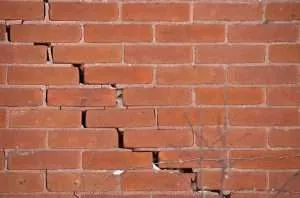
    subsidence crack in external wall

    subsidence crack in external wall

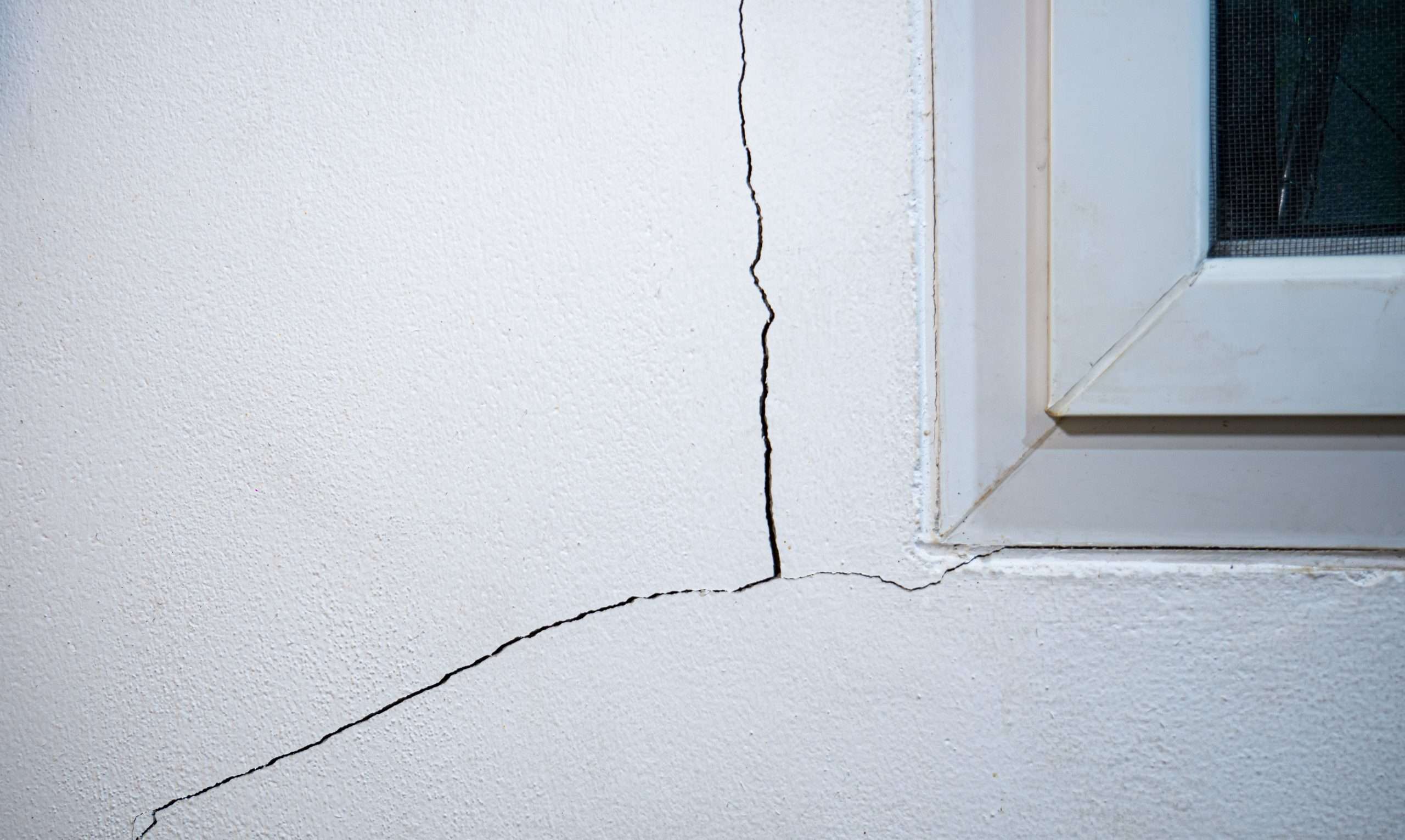
    internal subsidence crack

    internal subsidence crack

    Should I be worried about cracks in walls?

    Although cracks can occur for lots of different reasons, there are a few key characteristics that indicate internal cracks in walls might be caused by subsurface movements and there is cause for concern. If you have cracks on interior walls, floors or ceilings that are getting wider, have a zigzagging pattern or branching formations, and are clustered in the same area, it may be time to start worrying. These types of cracks often suggest structural weaknesses and foundational shifts, and you may have subsidence.

    When you notice worrying cracks in your home, you should contact a subsidence specialist straight away. They have the skills and experience required to repair cracks in walls, and prevent further damage caused by subsidence. Typically, expert technicians will conduct a detailed inspection of the cracks and your home’s foundations to determine the structural health of your home.

    If subsidence is found, remedial measures may be required to maintain the long-term stability of your home. Traditionally, techniques like underpinning were recommended, but now modern alternatives like resin injections can address the root causes of the cracks.

    How to Fix Cracks in Walls

    Covering small cracks in walls

    For minor cosmetic cracks, DIY solutions are often suitable to fix structural cracks in walls . You can use a range of caulk or filler materials available at local DIY stores to fill cracks in walls and you don’t need to be an expert to achieve perfect results. Commonly, you just need to clean out the crack and remove any debris, apply a suitable filler, and then sand down the area once it’s dry. You can then simply paint over the filler to disguise the cracks.

    Fixing large cracks in walls

    If you think the problem is more serious, don’t try to fill large cracks yourself. Instead, call the professionals and get some expert help with fixing subsidence cracks . Getting a professional assessment and suitable repairs are crucial to protect your home for years to come.

    DIY fixes simply won’t work for structural problems and your home might need to be raised, re-leved and re-supported. With the help of modern technology, this process is easier than ever before and subsidence issues can be fixed quickly without significant disruption.

    Contacting our team at Subsidence Ltd is the best way to fix cracks in internal and external walls . Our expert assessments and specialised treatments can rectify the underlying problems, ensuring your home remains safe for years to come. We use resin injections that don’t require planning permission or extensive digging.

    There are several benefits to using resin materials and when compared to conventional methods, we can stabilise your property much faster. With our professional help, you can have peace of mind knowing your home is structurally sound and potentially save significant amounts in future repairs.

    If I have subsidence cracks, how much will it cost to repair them?

    If you have cracks in your walls and ceilings, and you’re worried about the underlying damage to your home’s foundations, you shouldn’t put off getting expert help due to the costs involved with subsidence repairs. It’s a common misconception that to fix structural cracks in walls , you need to have your home underpinned and there is a cheaper option available.

    You may be surprised by how budget-friendly professional repairs can be when you enlist the help of an experienced company that uses alternative techniques to conventional underpinning.

    Key Takeaways

    Not all cracks are serious – A lot of the time, they are harmless (e.g., cosmetic shrinkage cracks).

    Hairline cracks (<1mm) are usually normal, caused by drying plaster or minor settling.

    Worry if cracks are:

    • Wider than 3mm (especially if they are growing).

    • Diagonal or stepped (indicating subsidence/heave).

    • Near doors or windows (signs of structural movement).

    • Accompanied by sticking doors or windows (suggests foundation shifts).

    Common causes of cracks:

    • Subsidence (soil shrinkage, clay movement, leaks).

    • Thermal expansion or contraction (temperature changes).

    • Poor construction (e.g., inadequate foundations).

    When to act:

    • Monitor cracks (tape test to check growth).

    • Seek expert advice if cracks are wide, multiple, or worsening.

    Solutions:

    • Cosmetic cracks: Fill and repaint.

    • Structural cracks: Underpinning, resin injections, or wall ties (professional repair needed).

    Remember: Early assessment prevents costly damage, so contact a specialist if unsure.

    Contact Subsidence Ltd for a free consultation and quote

    To get some tailored advice from our team at Subsidence Ltd about the cracks in your walls, ceilings or floors, get in touch with us today. We pride ourselves on our many years of experience addressing subsidence issues across the UK and we can help you keep your home and family safe.

    We have carried out over 2,000 jobs to date and have over 16 years experience, so you know you are in safe hands.

    We also offer flexible payment plans and discounts for neighbour postcodes.

    Contacting us is the first step towards stabilising your home and preventing further structural issues.

  • Will El Niño Make Subsidence More Common? What the 2026–27 Forecast Means for UK Homes

    Will El Niño Make Subsidence More Common? What the 2026–27 Forecast Means for UK Homes

    An unusually powerful El Niño is building in the Pacific Ocean. In August, the Met Office warned it could be the largest in more than a century, and that 2027 is now very likely to become the hottest year ever recorded worldwide.

    El Niño doesn’t hand the UK a fixed weather script. But it’s arriving at a moment when the ground beneath millions of British homes is already under strain after back-to-back record summers. For anyone living on clay soil, that combination points in one direction: more ground movement, more cracking, and more subsidence.

    Here’s what the forecast actually says, why it matters for your foundations, and what you can do now.

    What is El Niño, and why are forecasters so concerned?

    El Niño is a natural climate pattern that happens every few years, when sea temperatures across the central and eastern tropical Pacific rise above normal. That extra ocean heat reshapes weather patterns around the globe, usually for around a year.

    This one is different in scale. Forecasters expect Pacific sea temperatures to climb more than 3°C above normal, and the Met Office’s head of long-range forecasting has described the signal as unprecedented. The World Meteorological Organization puts the chance of El Niño lasting through to February 2027 at close to 100%, with the event expected to peak around December.

    Because El Niño releases so much heat into the atmosphere, and because it’s sitting on top of long-term climate warming, 2027 is widely expected to overtake 2024 as the warmest year on record globally.

    What could El Niño mean for UK weather?

    The UK is a long way from the Pacific, so El Niño’s effect here is less direct than in places like India or Australia. Other weather systems can strengthen, weaken or override it. That said, forecasters have pointed to two things worth paying attention to:

    • A wetter, stormier autumn and early winter. The Met Office has flagged increased rainfall and storminess, particularly around November. Previous strong El Niño years have coincided with very wet UK winters. Winter 2015–16 brought major flooding, for example.
    • A hotter world in 2027. A record-warm global year doesn’t guarantee a scorching British summer, and scientists have been careful to say so. But El Niño’s extra warming, added to the UK’s already warmer climate, could set up the conditions for another hot, dry summer.

    Neither outcome is good news for the ground under your home, and together they are a particular concern.

    The ground is already primed for subsidence

    To understand why El Niño matters, it helps to look at where we’re starting from.

    • Summer 2026 was the hottest on record, following the warmest spring ever recorded in England and Wales and five separate heatwaves.
    • Subsidence claims hit record levels. Hastings Direct reported its highest-ever month for subsidence claims in August 2026, almost 140% higher than the same month a year earlier. The UK’s biggest home insurers have said they are reviewing reserves and pricing as a result.
    • Repairs are getting more expensive. ABI figures show the average settled subsidence claim reached a record £20,000 in the second quarter of 2026, and total payouts hit a record £307 million in 2025.
    • Soils never fully recovered. Ground conditions at the start of 2026 hadn’t bounced back from the dry summer of 2025, so this year’s drought began on already-depleted ground.

    In other words, much of the UK’s clay is entering this El Niño winter in a dried-out, shrunken state.

    Three ways the El Niño years could drive more subsidence

    1. Wet then dry: the worst combination for clay soils

    Clay acts a little like a sponge. When it’s wet it swells, and when it dries out it shrinks and cracks. This “shrink-swell” cycle is the single biggest cause of subsidence in the UK.

    What makes the cycle so damaging is the size of the swing. A very wet winter followed by a very hot, dry summer pushes clay from one extreme to the other, and the foundations sitting on it move with it. That’s exactly the pattern we saw in previous subsidence “surge years” such as 2003, 2018 and 2022. If El Niño brings a stormy winter and 2027 delivers another hot summer, the conditions for a further surge are in place.

    2. Uneven recovery and ground heave

    When heavy rain returns to badly dried-out clay, the ground doesn’t rehydrate evenly. Some areas swell faster than others, which can push parts of a building upwards while others stay put. This is known as heave, and it can open up new cracks or widen existing ones over the winter months, even before the next dry spell. Read more about the difference between subsidence, settlement and heave.

    3. Storms, leaking drains and washed-out soil

    Not all subsidence is caused by drying clay. On sandier or more granular soils, water is the problem. Prolonged heavy rain puts old and cracked drains under pressure, and water escaping from a damaged pipe can gradually wash away the soil supporting a foundation. A stormy El Niño winter is a real test for ageing drainage. Here’s how cracked drain pipes lead to cracks in walls.

    Is your home at risk?

    Subsidence can happen anywhere, but some homes are far more exposed than others. Your risk is higher if:

    • You live on shrinkable clay. The British Geological Survey identifies London, Essex, Kent and the band running from Oxford to the Wash as the most exposed areas, but clay soils are found across much of England.
    • There are large trees or shrubs near the house. Roots draw huge amounts of moisture from the soil in summer, which magnifies shrinkage. Find out how tree roots contribute to subsidence.
    • Your home has shallow foundations. Many older properties, along with bay windows, porches, conservatories and extensions, sit on shallower footings than the main house.
    • You’ve had movement before. If the original cause was never fully dealt with, subsidence can return.

    The quickest way to get a feel for your risk is to check your postcode with our free subsidence risk checker.

    Warning signs to look out for this winter and next summer

    Subsidence damage often shows up months after the weather that caused it, so keep an eye out over the coming year for:

    • New diagonal cracks, especially around doors and windows, and particularly any wider than about 3mm (roughly the thickness of a £1 coin)
    • Cracks that are wider at the top than the bottom, or vice versa
    • Cracks where an extension, porch or bay window meets the main house (here’s why that happens)
    • Doors and windows that start sticking for no obvious reason
    • Wallpaper rippling or tearing at joins that aren’t caused by damp
    • Gaps opening up between skirting boards and floors
    • Cracks that reappear soon after you’ve filled and redecorated

    Not every crack is subsidence. Many are harmless shrinkage cracks in plaster. Our guide to cracks in walls explains when to worry and when not to.

    What you can do now

    You can’t control the weather, but you can reduce the chances of a small problem becoming a big one.

    1. Check your drains and gutters before the winter storms. Clear blocked gutters and downpipes, and if you have any doubts about your underground drains, a CCTV drain survey can spot cracks and leaks early.
    2. Monitor any existing cracks. Mark the ends with a pencil, write the date beside them and take a photo with a ruler for scale. If a crack grows over a few weeks, that’s important evidence.
    3. Think carefully about trees. Keep large trees well managed, but don’t fell a mature tree near the house on clay soil without advice, as sudden removal can cause heave. Here’s how to reduce the risk.
    4. Review your home insurance. Make sure you understand your subsidence cover and excess, and that your sum insured reflects current rebuilding costs.
    5. Get movement checked early. After the 2026 surge, insurers and contractors are already busy. If another surge follows in 2027, waiting lists will grow. Acting early is almost always cheaper and less disruptive than waiting.

    How Subsidence Ltd can help

    If you’re seeing signs of movement, or you’re simply worried about what the next 12 months could bring, our engineers can help. We offer a free, no-obligation survey, typically within seven days, to find the root cause of the problem.

    Where stabilisation is needed, our polyurethane resin injection method re-supports the ground beneath your foundations without excavation. Most domestic jobs take just one to two days on site, you don’t need to move out, and every project comes with a fixed price and a written 10-year warranty. See how resin injection compares with traditional underpinning.

    Worried about subsidence this winter? Request your free quote, call us on 0333 1300 592, or try our subsidence repair cost calculator.

  • How Much Does Subsidence Devalue a House?

    How Much Does Subsidence Devalue a House?

    If you’re worried about subsidence, one of the first questions is often how it will affect the property’s value. It’s understandable to be concerned about losing money, particularly if you’re planning to sell or remortgage. However, there’s no one-size-fits-all answer. A house with active, unresolved movement is very different from one where the cause has been identified, the repairs have been completed, and clear documentation shows what’s been done.

    The figures you might see quoted online can be a useful starting point, but they shouldn’t be treated as a valuation of your individual property. In our experience at Subsidence Ltd, the building’s condition, the cause of the subsidence, the quality of the repair, and the evidence available to buyers can all influence how much value is actually affected.

    How Much Does Subsidence Devalue a House? Typical Figures

    A commonly quoted figure is that a property with ongoing subsidence can lose around 20–25% of its value, while historic subsidence that has been properly repaired has a much smaller reduction of around 0–5%. However, treat these figures as broad examples rather than a fixed rule. The impact can vary considerably between properties.

    For example, a £400,000 property with active subsidence could theoretically face a much larger devaluation than a similar property where the movement was repaired years ago and supported by clear warranties. The reason is simple: valuers, buyers, and mortgage lenders assess the risk associated with the property, rather than applying a standard “subsidence discount”.

    This is also why you can sell a house with subsidence, but the property’s condition and history will influence the process, potential buyer pool, and the price you can realistically achieve.

    Five Things That Decide How Much Value You Lose

    When assessing the potential impact of subsidence on property value, several factors matter more than a headline percentage.

    1.    Still moving, or finished and fixed?

    The biggest difference is whether the subsidence is still active. Ongoing movement creates uncertainty because a buyer might have to pay for further investigation and repairs after completing. A property where the movement has been properly investigated and treated is a safer purchase, as the buyer can see what caused the problem and whether the foundations have been stabilised.

    2.    What caused it?

    The underlying cause is also important. Subsidence linked to shrinkable clay, tree roots, leaking drains or other ground conditions can have different implications depending on whether the cause has been properly dealt with. A repair that stabilises the foundations without addressing an ongoing cause might not provide the reassurance a buyer or lender needs.

    3.    How bad is the visible damage?

    Not every crack tells the same story. Minor historic cracking differs from significant structural movement accompanied by sticking doors and uneven floors. Valuers and surveyors will consider the extent of the damage rather than simply measuring the widest crack. A property with limited, stable damage might be viewed very differently from one where movement is continuing, and repairs are still required.

    4.    What paperwork can you present?

    Documentation can make a significant difference when selling a property with a history of subsidence. Buyers and mortgage lenders might want to see surveys and reports, details of the repair work, insurance information, and evidence that the underlying problem has been addressed. Having this information available shows what happened and how the problem was dealt with. A written warranty can also provide additional reassurance.

    5.    Can local demand absorb it?

    The local property market has an impact too. A home in a high-demand area might attract buyers despite a history of subsidence, while a property in a slower market might need to be priced more competitively. This doesn’t mean that location cancels out the effect of subsidence. Instead, it can affect negotiating power and how many potential buyers will consider the property.

    Mortgages and Insurance: The Real Drivers of the Drop

    For many buyers, the biggest concern isn’t the crack itself but what subsidence means for getting a mortgage and suitable insurance.

    Mortgage lenders need to be satisfied that the property provides adequate security for the loan. If movement is ongoing or the cause hasn’t been established, a lender may require further structural information before deciding whether to proceed. This can complicate the purchase and potentially reduce the number of buyers who can proceed.

    Insurance can have a similar effect. Subsidence is an expensive type of claim, which is one reason insurers take a property’s history seriously. The Association of British Insurers reported that insurers paid £72 million for domestic subsidence claims in the second quarter of 2026, with the average claim reaching a record £20,000. This is an insurance claim average, not an indication of how much a property will lose in value. However, it demonstrates why subsidence is a significant financial risk.

    It’s therefore worth understanding whether house insurance covers subsidence and keeping copies of any claim information, reports and repair documentation. Having the right paperwork ready can make it easier to answer questions when you come to sell.

    Does a Completed Repair Restore the Value?

    A repair can significantly change the way a property with subsidence is viewed, but it doesn’t necessarily erase its history. The key benefit is that the buyer isn’t purchasing a property with an unexplained structural problem. They can see what caused the movement, what repairs were carried out, and what evidence shows the issue has been addressed.

    The quality and documentation of the repair are key here. A professional assessment, clear engineering information, and a suitable warranty can provide considerably more reassurance than simply filling cracks and redecorating. For example, our 10-year subsidence warranty transfers automatically when a property is sold.

    So, while professional repairs don’t guarantee a full increase in property value, they can give buyers more confidence in the work carried out.

    Repair Cost vs. Value Lost: Doing the Sums Before You Sell

    If you’re considering selling a property with subsidence, it can be tempting to accept a lower offer to avoid dealing with the problem. However, it’s worth comparing the potential reduction in value with the cost of repairing the underlying issue. The cost of subsidence repair varies considerably depending on the cause, the area affected, the ground conditions, and the required treatment, so a professional assessment is needed before providing an accurate quote.

    For some properties, completing the repair before selling makes financial sense as it removes uncertainty and gives prospective buyers evidence that the movement has been addressed. In other cases, particularly when the repair would be extensive, selling the property in its current condition might be the better option. The key is to make the decision using actual figures rather than assumptions. Comparing the likely subsidence repair costs with the potential reduction in the property’s sale price gives you a much clearer basis for deciding what to do.

    If you’re concerned about subsidence and want to understand how it might be affecting your property’s value, we can assess the underlying movement and explain the repair options. Contact Subsidence Ltd to arrange a professional survey and learn what to do next.

  • Is Subsidence Dangerous? Common Safety Risks and When to Get a Professional Survey

    Is Subsidence Dangerous? Common Safety Risks and When to Get a Professional Survey

    If you notice cracks in your walls, doors that are hard to close, or floors that are no longer level, it’s natural to wonder whether your home is unsafe. Subsidence can sound alarming, but not every sign of movement means a property is in immediate danger.

    What’s important is understanding what’s causing the movement, whether it’s continuing and how it’s affecting the overall structure. Some minor cracking can remain stable for years, while ongoing foundation movement can gradually create significant problems if it’s left unchecked.

    Knowing which signs need attention and when a professional survey is best can help you understand what’s happening before deciding whether repairs are necessary.

    Is Subsidence Dangerous? The Short Answer

    Subsidence can become a serious structural problem, but it doesn’t automatically mean your house is unsafe to live in. Subsidence occurs when the ground under a building moves or loses some of its ability to support the foundations. This can happen for several reasons, including shrinkable clay soils, tree roots, and leaking drains.

    The important point is whether the movement is active. A small, stable crack is very different from a crack that’s gradually widening. If you ignore active subsidence, continued ground movement can increase stress on different parts of the building and, over time, make repairs more complicated.

    This is why, at Subsidence Ltd, we recommend assessing the cause rather than assuming a crack is harmless or that the whole property is now unsafe. Recognising the signs of subsidence early gives you a much better understanding of what needs to happen next.

    The Main Safety Risks to Watch For

    The visible signs of subsidence can tell you more than you think. Looking at the pattern of movement and whether several symptoms are occurring together can be beneficial:

    • Cracking in walls – Cracks caused by structural movement can be diagonal or stepped, become wider over time, or appear around vulnerable points, such as extensions. Their location, direction and progression can also be just as important as their width.
    • Jammed doors and windows – If doors or windows become difficult to open or close, movement in the surrounding structure might have distorted the frame. This doesn’t automatically mean subsidence, but it’s worth investigating.
    • Sloping or uneven floors – A noticeably uneven floor can indicate that one part of a property has moved more than another. This is particularly important to assess when it develops alongside cracks in walls or changes around doors and windows.
    • Cracked drains – Ground movement can affect underground drainage, potentially cracking or displacing pipes. Leaking water can then soften or wash away surrounding soil, potentially worsening foundation movement. This means drainage should be considered both as a possible consequence and a contributing factor.
    • Strained gas or water pipes – Significant ground movement can affect buried services as the surrounding ground changes position. These issues shouldn’t automatically be attributed to subsidence, but they show why you need to assess wider ground movement rather than judge the problem from a single visible crack.

    Generally, knowing when to worry about cracks in walls and which characteristics can make a crack more concerning is the first step to identifying dangerous subsidence.

    Urgent or Worth Monitoring? How to Tell the Difference

    One of the most useful things to establish is whether the ground is still moving. A crack’s appearance offers useful information, but the progression can tell you much more.

    For instance, very fine cracks can result from plaster movement, minor settlement or seasonal changes and don’t always indicate a foundation problem. Wider cracks deserve closer attention, particularly when they appear alongside other symptoms. However, no single crack width can diagnose subsidence. A narrow crack that’s actively widening can be more concerning than a wider crack that’s remained unchanged for many years.

    The rate of change is important too. If a crack is getting longer or wider, new cracks are appearing nearby, or doors and windows are becoming increasingly difficult to open, it can indicate ongoing movement. For this reason, we consider the complete pattern. If you notice several changes happening at the same time, it’s sensible to have them assessed rather than repeatedly filling and repainting cracks. Leaving active subsidence untreated can allow movement to continue, potentially making the repair more complex.

    When to Get a Professional Survey (and What It Involves)

    A professional survey is particularly useful when you can’t tell whether movement is ongoing or when several signs appear together.

    The first stage is understanding the property and the movement pattern. This means looking at the location and direction of cracks, changes around doors and windows, uneven floors, and external brickwork, as well as factors such as trees, drainage and the underlying ground conditions. Ongoing measurements can then help establish whether movement is taking place. This is important because visual inspection alone can’t always tell us whether a crack is stable.

    For homeowners who have noticed cracking but are unsure whether it’s moving, monitoring can provide useful evidence over time. Our Subcheck service establishes a sub-millimetre baseline and monitors changes so movement can be identified rather than simply assumed.

    Ultimately, an assessment aims to identify the likely cause and determine whether the foundations require treatment. In some cases, monitoring might be appropriate; in others, the evidence points to immediate repair.

    Fixing It Safely: Your Repair Options

    The right repair often depends on the cause and extent of the ground movement. When subsidence is linked to localised weakness, resin injection can strengthen the supporting ground without the excavation needed for traditional underpinning. The resin is injected into targeted areas, where it expands and forms a load-bearing material.

    Underpinning takes a different approach, usually involving excavation to strengthen or extend the existing foundations. It can still be useful in certain situations, so you need to establish the cause of the movement. This is why you should consider the differences between resin injection and traditional underpinning alongside the findings of a professional assessment.

    The key isn’t to assume every crack requires major structural work, but also not to ignore signs of active movement because they seem minor. Understanding what’s happening under the property gives you the information you need to choose an appropriate repair.

    If you’ve noticed cracking or other signs of movement and aren’t sure what they mean, contact our team for professional advice and a free survey.

  • Why Do Cracks Always Appear Where an Extension or Bay Window Meets the House?

    Why Do Cracks Always Appear Where an Extension or Bay Window Meets the House?

    Spotting a crack where an extension, porch or bay window meets the original part of your home can be worrying. Unlike a small, cosmetic crack on a wall, cracks at these joining points are more noticeable, and many homeowners immediately wonder whether this means they have subsidence or if it’s a normal sign of an older building adjusting over time.

    Cracks commonly appear in these locations because different parts of a house can be affected differently by changes beneath the foundations. When an older property and a newer extension move at different rates, stress can build up where they meet. Understanding why this happens, what the crack pattern can tell you, and when it needs professional attention can help you choose the right solution before the issue becomes harder to resolve.

    Why These Areas Crack First

    The connection between an older property and a newer structure is one of the most vulnerable areas. This is because the two sections of the house were usually built at different times, often with different materials, foundations, and ground support.

    The original house may have settled over many decades, creating a stable foundation. Whereas an extension or bay window may have been added later with a different foundation design and loading requirements. When the ground beneath one section of the property moves more than another, stress develops at the connection point. The brickwork can’t absorb this movement, so a crack often forms along the join where the old and new structures meet.

    This type of movement is known as differential movement. It doesn’t automatically mean your home has serious structural damage, but it requires closer inspection.

    Old House, New Extension. Why the Foundations Don’t Move Together

    Many homeowners assume that because an extension is attached to the main house, both parts will behave as one structure. In reality, the foundations can respond differently to changes in the ground. Older homes often have shallow foundations, and later extensions can have different depths and construction methods, or be supported by a smaller area of ground.

    This is particularly important in many parts of London and the South East, where shrinkable clay soils are common. During prolonged dry weather, clay can lose moisture and shrink. If one part of the property is supported by soil that moves more than another, the foundations can settle unevenly. This doesn’t mean the extension was poorly built; it’s often the result of two separate structures responding differently to changes beneath them.

    What the Crack Actually Looks Like

    Cracks caused by movement between an extension or bay window and the main house often have an instantly recognisable appearance. 

    Typically, the crack will appear vertically along the join where the newer structure meets the original brickwork. In some cases, it develops into a stepped pattern that follows the mortar joints between bricks. Another common sign is that the crack widens toward the top, suggesting the two sections of the building are moving differently.

    This pattern is different from cracks that spread randomly across a single wall. However, the appearance of a crack alone isn’t enough to diagnose subsidence. A proper assessment considers the size, direction, history and surrounding factors before recommending any repairs.

    Is This Subsidence, or Just Normal Differential Movement?

    Not every crack where an extension meets a house is caused by subsidence. Knowing how to check whether a crack is cause for concern is useful, particularly if it is growing, widening, or appearing alongside other signs such as sticking doors and windows.

    Buildings naturally move over time as materials expand, contract, and adjust to changing temperatures and moisture levels. The challenge is identifying the difference between harmless settlement and something that needs further investigation.

    Settlement usually occurs as a building adjusts after construction and often stabilises on its own. Subsidence occurs when the ground beneath part of the property can’t adequately support the foundations, causing downward movement. For homeowners, understanding the difference between settlement, subsidence and ground heave can help decide how to handle cracks.

    If required, a professional inspection can determine whether the movement is ongoing and whether the foundations need additional support.

    What Usually Causes It

    Cracks can appear where an extension or bay window meets the main house for several reasons. In many cases, the underlying issue relates to changes in the condition of the ground beneath the foundations. 

    One common factor is soil shrinkage. During periods of prolonged dry weather, moisture is removed from the soil, causing clay to shrink and contract. This can reduce the support beneath shallow foundations. Trees can also contribute to ground movement. Large trees close to a property can have established roots that extend beneath foundations, drawing moisture from the soil and affecting its stability.

    Other causes can include drainage issues. A damaged pipe can gradually wash away or soften the soil supporting the foundations. This is why you should always consider a leaking drain softening the ground when investigating unexplained cracks.

    Case Study: How We Fixed An Edwardian Bay Window in Wandsworth

    A recent example of this type of problem was an Edwardian bay window we treated in Wandsworth. The homeowner noticed cracking above the bay window and was concerned the issue could require extensive structural work.

    Our investigation identified a localised problem linked to an area of soft clays where the drains had been previously leaking beneath the bay window foundation. Rather than carrying out traditional underpinning, we used resin injection to improve the support beneath the affected area. The work involved eight carefully positioned injection points and was completed in an afternoon with minimal disruption.

    Importantly, the homeowner had previously been given an underpinning alternative quoted at £28,500. This highlights why understanding the cause of movement is so important. Not every cracking bay window requires major excavation or invasive repairs.

    Why Resin Injection Suits This Problem Particularly Well

    When movement is caused by weak ground beneath an extension or bay window, homeowners often start comparing resin injection and traditional underpinning. Resin injection offers a targeted way to improve foundation support without the disruption of traditional repairs.

    The process involves inserting small tubes beneath the affected area, then injecting structural resin into the ground. As the resin expands, it fills weak points and improves the soil’s load-bearing capacity, helping to stabilise the foundations with minimal disturbance to the property. This approach can be particularly effective for localised movement, where a smaller section of the building is affected. Unlike traditional underpinning, which involves excavation and foundation alterations, resin injection strengthens the ground already supporting the structure.

    In many cases, resin injections can outperform underpinning by offering faster installation, reduced disruption and a more precise solution for localised foundation issues.

    When to Get It Checked

    If a crack appears where an extension or bay window meets your home, it’s worth having it professionally assessed rather than assuming it’s just a cosmetic issue. Early investigation can help determine whether the movement is ongoing and whether an underlying problem is affecting the foundations.

    We recommend looking for common signs around the property, including whether cracks are increasing in size, whether doors and windows have started sticking, or whether there are signs of ground movement outside the home. These details can help build a clearer picture of what might be happening beneath the property. Understanding the potential repair options and costs can also help homeowners make informed decisions. 

    For homeowners looking for specialist support, our team provides subsidence repairs in London, and you can use our subsidence risk postcode checker to understand whether your area may be more vulnerable to ground-related issues.

    Contact Subsidence Ltd

    At Subsidence Ltd, we specialise in diagnosing and repairing ground-related movement with targeted resin injections. If you’re concerned about cracks around an extension or bay window, contact our team for expert advice and a professional assessment.

  • Could the 2026 UK Heatwave Cause Subsidence Later This Year? How Extreme Heat Affects House Foundations

    Could the 2026 UK Heatwave Cause Subsidence Later This Year? How Extreme Heat Affects House Foundations

    Could the Current UK Heatwave Lead to Subsidence This Year?

    When there are very hot summers following wetter winters what normally follows is a surge in subsidence related claims and issues.

    Subsidence issues don’t always occur in the hottest weeks, but the issues build over time, clays shrink, structures drop and cracks start to appear.

    Ground movement often becomes noticeable several weeks or months after prolonged drought and therefore many homeowners won’t connect new wall cracks with weather that occurred earlier in the summer.

    Previous surge years of 2018, 2022 and 2025 are looking to be dwarfed by what is happening in 2026, with this year ahead of those years in terms of ground drying out.

    In short, it will take a significant amount of rainfall in July and August to prevent a significant surge and therefore a rise in subsidence issues this year.

    What happens to the ground during prolonged heat?

    During prolonged droughts, moisture evaporates from the soils, clay soils shrink, the ground sinks and foundations start to move and loose the support they need. As the ground moves in an uneven fashion, so does the foundation above it, causing cracks to appear.

    This shrinkage and movement is much more prevalent in clays with high volume potential – these are more susceptible to shrink and swell. This includes clays such as London Clay, Oxford Clay, Gault Clay, and Weald Clay as examples.

    Why is the South East seeing a surge in subsidence

    Alongside the heat we have experienced this summer there has also been very little rainfall.

    The normal rainfall average for July is 45mm of rainfall.

    In the famous summer drought of 1976 where there were weeks of mandatory water rationing and standpipes the rainfall that year in July was 15mm.

    In 2022, July was the previous driest July in a century with 7mm of rain and this sparked extensive fires and a record 40-degree heat wave.

    In 2026 we have had less than 1mm of rain, intense heatwaves and therefore we are going to see a larger issue with subsidence.

    Which Parts of England Are Most at Risk?

    Areas that have clays with high volume potential are going to see more issues. This includes clays such as London Clay, Oxford Clay, Gault Clay, and Weald Clay as examples.

    The areas most exposed to this year’s drying sit across London and the wider South East and East Anglia, including Essex, Kent, Surrey, Hertfordshire, Buckinghamshire, Bedfordshire, Cambridgeshire, Northamptonshire, Oxfordshire and parts of East Anglia. These regions sit on highly shrinkable clay formations, such as London Clay and its neighbouring Oxford, Gault and Weald Clay belts, that are particularly susceptible during prolonged drought, because they hold a high proportion of water within their structure and lose volume dramatically as they dry out.

    Check our postcode checker to see if your area is at risk of subsidence.

    Areas with lower subsidence risk

    Areas that have sands, gravels and clays with lower volume potential will see less issues, which includes areas such as:

    • Yorkshire
    • Cumbria
    • Northumberland
    • Cornwall
    • Devon

    These regions often have rock or sand-based geology which behaves very differently to clay when it dries out. Sand and rock don’t shrink and swell with moisture loss in the way clay does, so ground movement is far less likely, even during extended dry spells.

    It’s worth stressing that all homes, regardless of location, can experience cracking. However, not all cracking is subsidence. Most cracks are down to normal settlement, thermal movement or simple wear and tear, and homeowners outside the highest-risk clay areas shouldn’t assume the worst without a proper inspection.

    Check your location using our Subsidence Risk Postcode Checker →

    Does Every Crack Mean Subsidence?

    Normal settlement vs subsidence

    Not every crack is a sign of subsidence. New-build and recently extended homes often develop fine plaster cracks as materials dry out and settle over their first year or two. These are cosmetic and typically stabilise on their own. Many homes also show a degree of seasonal movement, where hairline cracks open slightly in summer and close again once cooler, wetter weather returns; this is normal expansion and contraction rather than structural movement. Thermal expansion – where building materials expand in the heat and contract in the cold – can also cause small, stable cracks, particularly around joints between different materials. The key difference with subsidence is that the movement is progressive and doesn’t reverse itself with the seasons.

    Signs you shouldn’t ignore

    While hairline and seasonal cracks are usually nothing to worry about, certain signs point to something more serious and are worth having assessed by a professional:

    • Diagonal cracks, particularly around windows, doors or corners of the building
    • Cracks wider than 3mm (roughly the thickness of a 10p coin)
    • Doors and windows that have started sticking or no longer close properly
    • Sloping or uneven floors
    • Gaps appearing around window and door frames where they meet the wall

    If you notice a combination of these signs, especially if cracks are growing over weeks or months, it’s worth getting an expert opinion sooner rather than later.

    Read our blog on When to Worry About Cracks in Walls →

    Trees Can Make the Problem Worse

    How tree roots remove moisture

    Large, thirsty trees can significantly worsen ground drying during a drought. Mature oak, willow, poplar and plane trees in particular have extensive, water-hungry root systems that can extract large volumes of moisture from clay soil, sometimes from many metres away from the trunk. Willow and poplar are especially known for their aggressive, far-reaching roots, which is why they’re often planted well away from buildings. Where these trees sit close to a property built on clay, the soil around and beneath the foundations can dry out and shrink faster than the surrounding ground, increasing the risk of uneven settlement and subsidence.

    Should you remove the tree?

    Not always, and removing a tree isn’t a decision to make lightly. While a large tree close to a property can be a contributing factor to subsidence, felling it isn’t automatically the right fix. Removing a mature tree can cause the clay soil that had been kept dry by its roots to gradually reabsorb moisture and swell back up, a phenomenon known as heave, which can cause its own structural damage – sometimes worse than the original subsidence. Because of this risk, tree removal or significant pruning near an affected property should only be carried out on the advice of a structural engineer or subsidence specialist, who can assess the tree, the soil and the foundation together before recommending a course of action.

    Why 2026 Could See More Subsidence Claims

    Hotter, drier summers are becoming more frequent in the UK, and with them, repeated cycles of drought that leave clay soils with less time to recover moisture between events. Insurers have already been tracking this trend closely: the 2022 heatwave alone generated around 23,000 subsidence claims, with insurers paying out an estimated £219 million – the highest annual subsidence bill in 16 years at the time. That record was then broken in 2025, when domestic subsidence payouts reached roughly £307 million following what the Met Office described as the UK’s hottest summer on record. With 2018, 2022 and 2025 all now considered “surge years” for subsidence, and 2026’s ground conditions tracking ahead of those years, industry commentators are already flagging the potential for another significant surge in claims. Longer-term climate projections also point the same way, with a continued shift towards hotter, drier summers expected to increase shrink-swell risk across large parts of southern England in the years ahead.

    What Should Homeowners Do Now?

    Monitor cracks

    Take dated photographs.

    Avoid panic

    Many cracks are harmless.

    Don’t ignore movement

    Early investigation can prevent larger repairs.

    Avoid DIY structural repairs

    It can be tempting to simply fill a crack and repaint over it, but doing this before the cause has been identified can hide an underlying problem rather than solve it. Cosmetic filling doesn’t address ongoing ground movement, and by the time cracks reappear through the new filler, the damage – and the cost of repair – is often significantly worse. Always get the cause diagnosed before carrying out cosmetic work.

    What If Subsidence Is Confirmed?

    If subsidence is confirmed, the next steps typically follow a clear process. It usually starts with an investigation, where a specialist assesses the property, the soil type and nearby vegetation to establish the likely cause. This is often followed by a period of monitoring, using crack gauges or level surveys over several months to track whether movement is ongoing or has stabilised. Drain surveys are also common, since damaged or leaking drains can wash away supporting soil and are a frequent contributing factor to subsidence. Where trees are involved, root management, such as controlled pruning or, in some cases, removal under professional guidance, may be recommended to reduce moisture loss from the soil. For confirmed cases with significant movement, underpinning may be carried out to strengthen and extend the foundations, while resin injection underpinning offers a less disruptive alternative in many suitable cases, stabilising the ground beneath the foundation without the extensive excavation traditional underpinning requires.

    Find out more about Resin Injection Underpinning as a permanent subsidence fix →

    Commercial Properties Are Also at Risk

    It isn’t just homes that are vulnerable – commercial buildings on clay soils face exactly the same risks during prolonged heat and drought. Warehouses, schools, offices and industrial units can all experience foundation movement, and the consequences can be more disruptive and costly than for a domestic property, given the potential impact on staff, pupils, stock or day-to-day operations. Early identification is just as important for commercial premises, and specialist assessment can help building owners and facilities managers plan any necessary work with minimal disruption to the business.

    Find out more about our Commercial Subsidence Services →

    Concerned About New Cracks Following the Heatwave?

    If you’ve spotted new or worsening cracks since this summer’s heat, it’s far better to have them looked at now than to wait and see what winter brings. Ground conditions rarely improve on their own once significant drying has taken place, and leaving movement unchecked can allow a manageable issue to develop into a much larger, more expensive repair. Our team can assess your property, identify the cause and recommend the right next steps – so get in touch today for expert advice and peace of mind.

    Contact Subsidence Ltd →

    FAQs

    Can hot weather really cause subsidence?

    Yes. Prolonged hot, dry weather causes clay soils beneath a property to lose moisture and shrink. As the clay shrinks, it can no longer support the foundations evenly, causing the ground – and the building above it – to move and crack. This is one of the most common causes of subsidence in the UK, particularly in areas with clay-rich soil.

    How long after a heatwave do subsidence cracks appear?

    Cracks often don’t appear immediately. It can take several weeks or even months after a period of hot, dry weather for the effects to become visible, as ground movement continues to develop gradually beneath the surface. This is why many homeowners notice new cracks in autumn or winter without realising they’re linked to summer drought.

    Which soil type is most likely to cause subsidence?

    Clay soils with high shrink-swell potential are the most likely to cause subsidence, including London Clay, Oxford Clay, Gault Clay and Weald Clay. These soils absorb and lose large amounts of moisture, causing significant volume changes. Sandy, gravelly and rocky soils are far less prone to this kind of movement.

    Can heavy rain after a drought make subsidence worse?

    It can, in a different way. As dried-out clay reabsorbs moisture, it can swell back up – a process known as heave – which can cause its own structural stress, sometimes in the opposite direction to the original subsidence. Sudden, heavy rainfall following a long dry spell can also increase the risk of localised issues such as washed-out drains or soil erosion around foundations.

    Should I fill a crack before getting it inspected?

    No, it’s best not to. Filling or redecorating over a crack before the cause has been identified can mask an ongoing problem, making it harder to diagnose and monitor. It’s better to take dated photographs, keep an eye on how the crack develops, and get a professional assessment before carrying out any cosmetic repairs.

    Is every diagonal crack caused by subsidence?

    Not necessarily. Diagonal cracks can also result from normal settlement, thermal movement or minor building wear, especially if they’re fine and stable. However, diagonal cracks are more commonly associated with subsidence than vertical or horizontal ones, particularly if they’re wider than 3mm or growing over time, so they’re worth having checked by a specialist.

    Will my home insurance cover subsidence?

    Most standard UK buildings insurance policies do cover subsidence, but claims can be subject to a higher excess than other types of damage, and insurers will usually want evidence of monitoring and an established cause before agreeing repairs. It’s worth checking your specific policy documents or speaking to your insurer, and always report suspected subsidence promptly, as delays can sometimes complicate a claim.

  • Can I Sell a House With Subsidence?

    Can I Sell a House With Subsidence?

    Selling a property isn’t always straightforward, and when subsidence is involved, the process can be even more complicated. Many homeowners worry that they won’t be able to sell their home, but this isn’t always the case. Often, the sale can proceed, but the process might involve additional steps, disclosures, and adjustments to the asking price.

    Subsidence refers to the movement of the ground beneath a property, which can lead to structural issues such as cracks in walls, uneven floors or sticking doors and windows. While these signs can understandably be concerning for buyers and lenders, it’s still possible to put your home on the market.

    Understanding how subsidence impacts value, mortgage approval, and legal responsibilities is essential for any seller. With the right preparation and expert guidance, it’s still possible to sell, even if subsidence has been identified or repaired in the past.

    How Subsidence Affects Property Value

    Subsidence can significantly impact a property’s value, mainly because it causes concerns about structural stability and future repairs. Buyers often consider subsidence an extra risk they’re unwilling to take, especially if the issue is ongoing or hasn’t been fully investigated. As a result, properties affected by subsidence are typically valued lower than similar homes.

    The impact of structural movement on the sales price depends on the severity of the issue. Minor or historic subsidence that’s been properly repaired might not make much difference. However, severe subsidence can significantly reduce buyer interest. Specialist assessment is often required at this stage. Our team at Subsidence Ltd can help identify the cause of movement and determine whether the property is stable, which can be incredibly important when buyers or lenders are making decisions.

    In many cases, buyers will factor in the cost of potential repairs when making an offer. This means you might need to adjust your expectations and the sale price to reflect the property’s current condition. Even so, there is still demand for homes with subsidence, particularly from cash buyers or investors willing to take on renovation projects.

    Do You Need to Declare Subsidence When Selling a Property?

    Yes, subsidence needs to be declared whenever you’re selling a property in the UK. You’re legally required to disclose any known issues affecting the home, including past or present structural movement. This information is typically provided in a Property Information Form during the conveyancing process.

    Failing to disclose subsidence can lead to serious consequences, including legal claims. Even if the issue has been repaired, it still needs to be included in the property’s history from the outset. Transparency is important because a buyer’s surveyor will often uncover evidence of previous movement during inspections, leading to additional questions.

    Will Mortgage Lenders Accept a House With Subsidence?

    Mortgage lenders might consider properties with subsidence, but the approval process can be more complicated compared to standard applications. The main concern for lenders is risk, particularly whether the property provides enough security for the loan.

    In many cases, lenders will require a detailed structural survey before making a final decision. This helps them understand the condition of the property, any current signs of subsidence, and whether appropriate repairs have been carried out. Properties with unresolved or ongoing movement might be harder to mortgage, but this doesn’t automatically rule them out.

    Some lenders specialise in unique situations like this and offer a range of mortgage options. Cash buyers are also common in subsidence cases, as they aren’t restricted by mortgage requirements. This can sometimes make the sales process quicker and more straightforward, even if the buyer pool is smaller.

    Repairs, Reports and Surveys: What Sellers Need

    Before putting a property on the market, it’s important to understand the role of surveys and reports in the sale process. If subsidence is suspected or confirmed, a structural survey is usually the first step. This will assess the extent of movement, identify possible causes and recommend any necessary repairs.

    In more complex cases, specialist investigations might be required. Our team at Subsidence Ltd often works alongside engineers and surveyors to provide detailed assessments and ongoing monitoring where needed. This type of input can be particularly valuable when trying to establish whether movement is still active.

    Once the cause of subsidence has been identified, the appropriate repair method can be used. In many situations, modern solutions like resin injection offer a minimally disruptive way to stabilise the ground beneath a property without the need for major excavation. One of the key benefits of resin injection is that it’s quicker and more cost-effective than traditional underpinning. For sellers, this can be particularly important, as it helps reduce delays in the sales process and can make the property more appealing to prospective buyers. In some cases, underpinning or more extensive ground stabilisation might still be required.

    Sellers should also be aware that survey findings can influence negotiations. A buyer might request a price reduction or ask for repairs to be completed before exchange. Having clear, up-to-date reports will help support your position and provide reassurance that the property has been properly assessed. Insurance records can also play a role. If subsidence has been claimed on an insurance policy, details of the claim and repairs will usually need to be shared during the sale process, so it’s best to keep these to hand.

    How to Sell a House With Subsidence Problems

    Selling a house with subsidence is possible. While structural issues can narrow the market, an estate agent can still help you find a suitable buyer.

    One option is to complete repairs before listing the property. This can make your home more attractive to buyers and might help secure a higher sale price. Another option is to sell the property as it is, with full disclosure of the subsidence and a price that reflects the current condition. This is often chosen by sellers who want a quicker sale or prefer not to carry out repair work themselves.

    Professional guidance is important throughout the whole process. Estate agents, surveyors and subsidence specialists can assess the property, provide accurate valuations and ensure the correct documentation is in place. This supports a much smoother transaction.

    If we use our solution, we can provide a 10-year warranty and a Certificate of Structural Adequacy, both of which will significantly help you sell your home following the stabilisation works.

    If you need clarity on the extent of subsidence or advice on the best next steps before selling, get in touch with us at Subsidence Ltd today.

  • Can Subsidence Come Back After Repair? Causes and Warning Signs

    Can Subsidence Come Back After Repair? Causes and Warning Signs

    Subsidence is a structural issue that lots of homeowners worry about. Even after the cause of the movement has been identified and professional repairs have been made, many worry that subsidence will return.

    The reality is that while the ground beneath a property can be stabilised, the conditions that caused subsidence in the first place might still exist. Factors such as shrinkable clay, leaking drains, and ground-level changes can continue to affect a property over time, meaning that ongoing monitoring is just as important as the original repair.

    Knowing when subsidence might return, what signs to look for, and when some movement is normal is key to avoiding unnecessary concern. Not every crack or sticking door means that subsidence is back, but knowing the difference helps you act early when needed.

    Why Subsidence Returns

    Subsidence doesn’t always come back after underpinning or resin injection, but when it does, it’s usually because the underlying cause wasn’t fully resolved or new environmental factors have developed over time.

    Leaking Drains

    One of the most common causes of recurring subsidence is water escaping from damaged drains. Over time, water can wash away the soil supporting foundations, weakening the ground and causing movement. Even after repairs, new or unnoticed drainage issues can cause more ground instability. Regular drainage checks are key when subsidence has occurred previously, as early detection can prevent further structural damage.

    If porches, outriggers or extensions are being stabilised, it is essential that any guttering down pipes are either properly tied in to the existing drainage, or soakaways are installed at least 5m away from the structure.

    Tree Roots

    Trees and large shrubs can also contribute to recurring subsidence. Roots naturally soak up moisture and can draw water away from clay-based soil, causing it to shrink. This shrinkage can lead to movement in foundations. Even after previous subsidence repairs, mature trees that are still too close to a property can continue to impact ground conditions, particularly during dry periods followed by heavy rainfall.

    Poor Quality Underpinning

    In some cases, subsidence returns because the original repair work wasn’t carried out to a sufficient standard or didn’t address the full extent of the problem. Underpinning or resin injection should stabilise the foundations, but if the underlying cause is overlooked, movement can still occur. This is why a thorough investigation before repair work is essential, and why specialist assessment plays an important role in long-term stability.

    When to Suspect Subsidence has Returned

    It’s important to understand that not all cracks or ground movement is caused by subsidence. Properties naturally expand and contract due to temperature changes and seasonal weather patterns. With more dry spells followed by heavy rainfall in the UK, small cracks have become a common part of property maintenance and don’t always require structural intervention – the BRE provides widely recognised guidance on crack monitoring, using six damage categories to determine whether intervention is necessary. This crack classification system can help distinguish between cosmetic issues and structural damage. For example, fine hairline cracks are often considered minor and can be monitored or filled, while wider or progressing cracks might require more substantial repair work. However, when changes become more noticeable or start to get worse over time, further investigation might be needed.

    New Diagonal Cracks

    One of the key warning signs of subsidence returning is the appearance of new diagonal cracks, particularly above doors and windows or in the corners of rooms. These cracks can indicate movement in the foundation rather than surface-level settlement.

    Sticking Windows and Doors

    If doors or windows that previously opened and closed normally start sticking, this might suggest that the structure is shifting slightly. While seasonal expansion can also cause this, persistent or worsening issues might need further investigation.

    Gaps Between Floors and Skirting Boards

    Another indicator can be gaps appearing between floors and skirting boards. These gaps might suggest movement in the foundations, especially if they develop gradually or appear alongside other warning signs.

    Location and Pattern of Cracks

    It’s also important to assess where cracks are appearing. Cracks on internal walls might be less serious than those that appear on both the inside and outside of the property. The pattern and direction of cracking can also be useful indicators. Cracks caused by subsidence are typically diagonal or stepped and are often wider at the top than at the bottom.

    Weather Conditions and Timing

    It can be helpful to consider whether any recent weather could be to blame for cracks or movement. Long periods of dry weather followed by heavy rainfall can cause soil expansion and contraction, which can mimic subsidence. So, not every sign means subsidence has returned, but recurring patterns are more concerning than isolated changes.

    What to Do Next

    If you’ve spotted some of the most common signs of subsidence and you’re worried it’s returned, Subcheck can be incredibly beneficial. This monitoring service includes a baseline survey, twelve months of monitoring, quarterly reports and a written engineering opinion at the end. If repairs are recommended, the next steps are:

    Contact your Insurer

    If the property has a history of subsidence and you previously made a claim with your insurer for repair work, they should be your first point of contact. They can review the property’s history and advise whether further investigation is required under your policy.

    Contact a Subsidence Repair Professional

    It’s also advisable to get an up-to-date assessment. Our team at Subsidence Ltd can help determine whether movement is active, historic or part of normal seasonal behaviour. A detailed report can clarify whether further action is required or the property is behaving within expected structural limits. Early assessment is often the most effective way to prevent further damage, particularly if cracks are widening.

    Once subsidence has been identified, the next step is to arrange suitable repairs. In many cases, modern solutions such as resin injection can stabilise the ground quickly and with minimal disruption, helping prevent further movement without the need for extensive excavation or prolonged structural work.

    If you’re concerned about possible subsidence, our team at Subsidence Ltd can provide expert assessment and clear next steps to help you move forward with confidence. Don’t hesitate to get in touch with us today to arrange a site survey.

  • Subsidence Repairs Yorkshire | Subsidence Ltd

    Subsidence Repairs Yorkshire | Subsidence Ltd

    Welcome to Subsidence Ltd

    Subsidence Repair Yorkshire

    Help stop subsidence cracks and sinkage getting worse.

    Contact us today to help you through the next steps!

    Request a FREE Repair Quote

    Watch how our team at Subsidence work with your property and get to the root cause and fix the problems. All in a days work.

    Watch how our team at Subsidence work with your property and get to the root cause and fix the problems. All in a days work.

    Watch how our team at Subsidence work with your property and get to the root cause and fix the problems. All in a days work.

    Subsidence Resin Injection Repair Yorkshire

    We are here to help homeowners, landlords, property owners, & housing associations in Yorkshire fix cracks, sinking floors and sloping windows or doors that appear in buildings due to subsidence. Resin Injection is usually complete in one day, there is little or no mess, and we also give you a warranty for the work we complete!

    Areas Covered in Yorkshire

    We cover subsidence repairs in the following areas:

    We cover subsidence repairs in the following areas: Leeds, Bradford, Hull, Sheffield, Wakefield, York, Ripon, Doncaster.

    Get a quote Tony Fleming14:35 12 Jun 25We recently used Subsidence Ltd and were extremely impressed with the service from start to finish. Communication was excellent throughout the process — clear, timely, and informative. The team of five who carried out the work were efficient, professional, and a pleasure to deal with. Everything was done to a high standard, and it was clear they took pride in their work. It’s refreshing to work with a company that delivers exactly what they promise and at a great price too. Highly recommended.David Richardson11:13 17 May 25What words can I use!!! Excellent, Brilliant, Superb, Service above and beyond. I can not fault this Company in any way. From first contact to the finished job, they have been superb. The staff at head office were always polite, friendly and helpful. Ollie and his crew who actually carried out the work were hard working and very professional and friendly. They were worth every tea, coffee and cold drink we gave them. If you have any type of subsidence give them a call and have a chat. Their service and costs were way beyond other services we contacted. We have also just received a goody pack containing a mug, tea, coffee, biscuit, sweeties and a replica toy of one of their trucks. Little things like this that put them above all others. Highly recommended. Thank you to Carly and all her team.David Varley16:21 16 May 25Great service from the moment I made contact to after the work was complete. Such knowledgeable and friendly team of people from all the Engineers to the Customer Care Team. The work was completed on time and they left the place spotless. Would definitely recommend.DavidPeter Murphy08:21 05 Apr 25Brilliant – within two weeks of contacting Subsidence Ltd the job was done, took them half a day to do the actual work, so fast and the price was excellent too, thanks so much to the team for fixing the problem, I can now sleep at nightSue Bradman12:19 28 Mar 25Very efficient and speedy service from the whole team. Always someone available to answer any questions. Subsidence Ltd managed to achieve in a matter of weeks what our insurance company had been unable to fix in four years. Very pleasedSue Cook14:23 16 Mar 25From the first phone call through the site survey, the actual work and the delivery of the completion documents everyone at Subsidence Ltd has been friendly, helpful, professional and respectful of our property. The surveyor Tom was extremely thorough, professional and knowledgeable. The team who did the work explained everything clearly, worked hard, were friendly and respectful of our house and garden. They left everything clean & tidy and put all our paving slabs back. We cannot recommend this company highly enough. We got quotes from other companies and this one was the most professional (one did a quote without even visiting the house) and the best value.Charles Plant12:21 12 Mar 25After reading the reviews and speaking to them on the phone I decided to use Subsidence Ltd and I'm so glad I did. Everything was explained to me before hand including the price which I was really pleased with. From Tom with his magic 360° camera in the house to Brian and the boys who worked outside, I was fascinated by it all,and they answered every question I threw at them.All done with no disruption at all.To everyone at Subsidence Ltd…Thank you….Charles PlantPat Coombs11:55 11 Mar 25What is there to say about this company except how brilliant they are. From first contact to completion every member of the team we dealt with was courteous, friendly and above all professional. Communication was excellent and records of work done detailed. Just what we needed. Would not hesitate to recommend them to anyone needing this sort or remedial work done.Aiste Marija Augustinaite13:56 07 Mar 25What a great and professional company! From my initial query all the way to the treatment, their communication was great and very efficient. Surveyor was sent within a week and he was a great, friendly guy. The treatment then was done within the next week as they managed to fit us in very promptly. The guys who did the treatment were very polite and hard working, super tidy and professional- could have not asked for a better service. I shopped around and Subsidence LTD definitely offer the most competitive price and I could not recommend them enough. More over, not only did they stabilise our foundation, they also managed to find the root cause for our subsidence issue so I’m hopeful we won’t be having any problems in the future. Thank you guys!Charles Young19:33 05 Feb 25What a great and compassionate company to deal with. Dan offered his expert advice which was most welcome. Louicia was our first point of contact who also offered friendly advice. Do not hesitate to contact this company, they offer fantastic customer service. Thank you, regards Charles. 0 m + Number of properties in the UK impacted by subsidence issues

    Number of subsidence claims each year

    Number of jobs delivered by our engineers using our techniques

    Number of Subsidence Ltd customers

    Number of years experience our team has in the work we deliver

    Subsidence Repairs without Planning Control

    Cracked Walls

    Cracked Walls

    Foundation Subsidence Fix

    Foundation Subsidence Fix

    Foundation Subsidence Fix

    Fixing Door and Window Issues

    Remedial Subsidence Resin Injection – Stablilising Foundations

    Fast & Clean

    Say goodbye to the mess and delays of traditional underpinning. Our cutting-edge technology offers a fast, clean, and hassle-free alternative for subsidence repair and sinking floors! No digging required!

    Precision Engineering​

    Our expert technicians drill tiny 16mm holes in the affected areas, so discreet that they’re typically the size of a coin. Often, there’s no need for internal access, making the process even more convenient for you.​

    Instant Hardening for Rapid Results​

    Our cutting-edge resin hardens instantly, providing a sturdy, swift solution for subsidence. This accelerates repair, restoring your property faster than conventional methods.​

    No More Digging

    Our method is clean, simple, and best of all—requires no digging. We've eliminated the need for disruptive excavation from the subsidence solution process.

    Stabilise Your Foundations

    Our process doesn't just patch up the problem—it raises and stabilises your property's foundations. With us, you're not just getting a quick fix; you're getting a durable, long-term solution.

    Privacy and Discretion

    With us, there's no need to declare the works. We respect your privacy and conduct our operations with the utmost discretion.

  • Subsidence Repairs Manchester | Subsidence Ltd

    Subsidence Repairs Manchester | Subsidence Ltd

    Welcome to Subsidence Ltd

    Subsidence Repair Manchester

    Help stop subsidence cracks and sinkage getting worse.

    Contact us today to help you through the next steps!

    Request a FREE Repair Quote

    • AS SEEN IN: Watch how our team at Subsidence work with your property and get to the root cause and fix the problems. All in a days work. Set up our level monitoring equipment – this is a laser system that allows us to monitor the levels of the building as we carry out the treatment Set up our drain monitoring equipment – we monitor your drains in advance of the works to ensure that they are not a cause of the soft soils, and then during the works to ensure there is no resin ingress during our works. Locate and expose any incoming below ground services – we do this to ensure that we do not damage them during the works. Our competent engineers will expose services to ensure they are protected. Carry out any required enabling works (such as lifting flags) – we do this for you in most cases, so we only have to move what is necessary, and to avoid you having to do this part of the work. Drill a series of 16mm wide holes (5 pence piece in diameter) in predesignated specified locations for steel tubes to be inserts to required depths as per the treatment plan provided. Inject resin using state-of-the-art equipment into the tubes, which stabilises and strengthens the soils below the foundations. Laser systems are set up to monitor the work until we get to the point of lift. Return site to original condition – this means putting everything back in the same or better condition than we found it. Previous Next Set up our level monitoring equipment – this is a laser system that allows us to monitor the levels of the building as we carry out the treatment Set up our drain monitoring equipment – we monitor your drains in advance of the works to ensure that they are not a cause of the soft soils, and then during the works to ensure there is no resin ingress during our works. Locate and expose any incoming below ground services – we do this to ensure that we do not damage them during the works. Our competent engineers will expose services to ensure they are protected. Carry out any required enabling works (such as lifting flags) – we do this for you in most cases, so we only have to move what is necessary, and to avoid you having to do this part of the work. Drill a series of holes in predesignated specified locations and mechanically drill down holes (around 5 pence piece in diameter) for rods to be inserted into required depths as per the treatment plan provided. Inject resin via state-of-the-art equipment into the holes – this repairs, strengthens and compresses the soil below the foundations and lifts the structure if required. The laser system set up monitors this to ensure we get the correct lift. Return site to original condition – this means putting everything back in the same or better condition than we found it. Previous Next Watch how our team at Subsidence work with your property and get to the root cause and fix the problems. All in a days work. Set up our level monitoring equipment – this is a laser system that allows us to monitor the levels of the building as we carry out the treatment Set up our drain monitoring equipment – we monitor your drains in advance of the works to ensure that they are not a cause of the soft soils, and then during the works to ensure there is no resin ingress during our works. Locate and expose any incoming below ground services – we do this to ensure that we do not damage them during the works. Our competent engineers will expose services to ensure they are protected. Carry out any required enabling works (such as lifting flags) – we do this for you in most cases, so we only have to move what is necessary, and to avoid you having to do this part of the work. Drill a series of 16mm wide holes (5 pence piece in diameter) in predesignated specified locations for steel tubes to be inserts to required depths as per the treatment plan provided. Inject resin using state-of-the-art equipment into the tubes, which stabilises and strengthens the soils below the foundations. Laser systems are set up to monitor the work until we get to the point of lift. Return site to original condition – this means putting everything back in the same or better condition than we found it. Previous Next Set up our level monitoring equipment – this is a laser system that allows us to monitor the levels of the building as we carry out the treatment Set up our drain monitoring equipment – we monitor your drains in advance of the works to ensure that they are not a cause of the soft soils, and then during the works to ensure there is no resin ingress during our works. Locate and expose any incoming below ground services – we do this to ensure that we do not damage them during the works. Our competent engineers will expose services to ensure they are protected. Carry out any required enabling works (such as lifting flags) – we do this for you in most cases, so we only have to move what is necessary, and to avoid you having to do this part of the work. Drill a series of holes in predesignated specified locations and mechanically drill down holes (around 5 pence piece in diameter) for rods to be inserted into required depths as per the treatment plan provided. Inject resin via state-of-the-art equipment into the holes – this repairs, strengthens and compresses the soil below the foundations and lifts the structure if required. The laser system set up monitors this to ensure we get the correct lift. Return site to original condition – this means putting everything back in the same or better condition than we found it. Previous Next Watch how our team at Subsidence work with your property and get to the root cause and fix the problems. All in a days work. Set up our level monitoring equipment – this is a laser system that allows us to monitor the levels of the building as we carry out the treatment Set up our drain monitoring equipment – we monitor your drains in advance of the works to ensure that they are not a cause of the soft soils, and then during the works to ensure there is no resin ingress during our works. Locate and expose any incoming below ground services – we do this to ensure that we do not damage them during the works. Our competent engineers will expose services to ensure they are protected. Carry out any required enabling works (such as lifting flags) – we do this for you in most cases, so we only have to move what is necessary, and to avoid you having to do this part of the work. Drill a series of holes in predesignated specified locations and mechanically drill down holes (around 5 pence piece in diameter) for rods to be inserted into required depths as per the treatment plan provided. Inject resin via state-of-the-art equipment into the holes – this repairs, strengthens and compresses the soil below the foundations and lifts the structure if required. The laser system set up monitors this to ensure we get the correct lift. Return site to original condition – this means putting everything back in the same or better condition than we found it. Previous Next Subsidence Resin Injection Repair Manchester We are here to help homeowners, landlords, property owners, & housing associations in the Manchester area fix cracks, sinking floors and sloping windows or doors that appear in buildings due to subsidence. Resin Injection is usually complete in one day, there is little or no mess, and we also give you a warranty for the work we complete! Areas Covered in Manchester & Greater Manchester Salford

    • Bolton

    • Bury

    • Oldham

    • Rochdale

    • Stockport

    • Tameside

    • Trafford

    • Wigan

    Get a quote Tony Fleming14:35 12 Jun 25We recently used Subsidence Ltd and were extremely impressed with the service from start to finish. Communication was excellent throughout the process — clear, timely, and informative. The team of five who carried out the work were efficient, professional, and a pleasure to deal with. Everything was done to a high standard, and it was clear they took pride in their work. It’s refreshing to work with a company that delivers exactly what they promise and at a great price too. Highly recommended.David Richardson11:13 17 May 25What words can I use!!! Excellent, Brilliant, Superb, Service above and beyond. I can not fault this Company in any way. From first contact to the finished job, they have been superb. The staff at head office were always polite, friendly and helpful. Ollie and his crew who actually carried out the work were hard working and very professional and friendly. They were worth every tea, coffee and cold drink we gave them. If you have any type of subsidence give them a call and have a chat. Their service and costs were way beyond other services we contacted. We have also just received a goody pack containing a mug, tea, coffee, biscuit, sweeties and a replica toy of one of their trucks. Little things like this that put them above all others. Highly recommended. Thank you to Carly and all her team.David Varley16:21 16 May 25Great service from the moment I made contact to after the work was complete. Such knowledgeable and friendly team of people from all the Engineers to the Customer Care Team. The work was completed on time and they left the place spotless. Would definitely recommend.DavidPeter Murphy08:21 05 Apr 25Brilliant – within two weeks of contacting Subsidence Ltd the job was done, took them half a day to do the actual work, so fast and the price was excellent too, thanks so much to the team for fixing the problem, I can now sleep at nightSue Bradman12:19 28 Mar 25Very efficient and speedy service from the whole team. Always someone available to answer any questions. Subsidence Ltd managed to achieve in a matter of weeks what our insurance company had been unable to fix in four years. Very pleasedSue Cook14:23 16 Mar 25From the first phone call through the site survey, the actual work and the delivery of the completion documents everyone at Subsidence Ltd has been friendly, helpful, professional and respectful of our property. The surveyor Tom was extremely thorough, professional and knowledgeable. The team who did the work explained everything clearly, worked hard, were friendly and respectful of our house and garden. They left everything clean & tidy and put all our paving slabs back. We cannot recommend this company highly enough. We got quotes from other companies and this one was the most professional (one did a quote without even visiting the house) and the best value.Charles Plant12:21 12 Mar 25After reading the reviews and speaking to them on the phone I decided to use Subsidence Ltd and I'm so glad I did. Everything was explained to me before hand including the price which I was really pleased with. From Tom with his magic 360° camera in the house to Brian and the boys who worked outside, I was fascinated by it all,and they answered every question I threw at them.All done with no disruption at all.To everyone at Subsidence Ltd…Thank you….Charles PlantPat Coombs11:55 11 Mar 25What is there to say about this company except how brilliant they are. From first contact to completion every member of the team we dealt with was courteous, friendly and above all professional. Communication was excellent and records of work done detailed. Just what we needed. Would not hesitate to recommend them to anyone needing this sort or remedial work done.Aiste Marija Augustinaite13:56 07 Mar 25What a great and professional company! From my initial query all the way to the treatment, their communication was great and very efficient. Surveyor was sent within a week and he was a great, friendly guy. The treatment then was done within the next week as they managed to fit us in very promptly. The guys who did the treatment were very polite and hard working, super tidy and professional- could have not asked for a better service. I shopped around and Subsidence LTD definitely offer the most competitive price and I could not recommend them enough. More over, not only did they stabilise our foundation, they also managed to find the root cause for our subsidence issue so I’m hopeful we won’t be having any problems in the future. Thank you guys!Charles Young19:33 05 Feb 25What a great and compassionate company to deal with. Dan offered his expert advice which was most welcome. Louicia was our first point of contact who also offered friendly advice. Do not hesitate to contact this company, they offer fantastic customer service. Thank you, regards Charles. 0 m + Number of properties in the UK impacted by subsidence issues

    Number of subsidence claims each year

    Number of jobs delivered by our engineers using our techniques

    Number of Subsidence Ltd customers

    Number of years experience our team has in the work we deliver

    Subsidence Repairs without Planning Control

    Cracked Walls

    Cracked Walls

    Foundation Subsidence Fix

    Foundation Subsidence Fix

    Foundation Subsidence Fix

    Fixing Door and Window Issues

    Remedial Subsidence Resin Injection – Stablilising Foundations

    Fast & Clean

    Say goodbye to the mess and delays of traditional underpinning. Our cutting-edge technology offers a fast, clean, and hassle-free alternative for subsidence repair and sinking floors! No digging required!

    Precision Engineering​

    Our expert technicians drill tiny 16mm holes in the affected areas, so discreet that they’re typically the size of a coin. Often, there’s no need for internal access, making the process even more convenient for you.​

    Instant Hardening for Rapid Results​

    Our cutting-edge resin hardens instantly, providing a sturdy, swift solution for subsidence. This accelerates repair, restoring your property faster than conventional methods.​

    No More Digging

    Our method is clean, simple, and best of all—requires no digging. We've eliminated the need for disruptive excavation from the subsidence solution process.

    Stabilise Your Foundations

    Our process doesn't just patch up the problem—it raises and stabilises your property's foundations. With us, you're not just getting a quick fix; you're getting a durable, long-term solution.

    Privacy and Discretion

    With us, there's no need to declare the works. We respect your privacy and conduct our operations with the utmost discretion.