Author: Matthew O’Sullivan

  • Recognise the Signs of Subsidence | And What To Do Next

    Recognise the Signs of Subsidence | And What To Do Next

    What is Subsidence?

    Subsidence is a problem that occurs when the ground beneath foundations moves, causing the property above to shift, crack, sink or settle unevenly. It can result in significant structural damage if it’s not identified early and treated correctly, so it’s important to know how to spot the signs of subsidence. If you have subsidence problems, investing in modern resin injections can help you avoid extensive repairs and maintain structural integrity.

    Key Takeaways | Cracks in Walls & What They Mean

    Situation/Sign

    What It Means

    What To Do

    Remember, early assessment prevents costly damage, so contact a specialist if you’re unsure.

    Common Causes & Signs of Subsidence

    For lots of homeowners in the UK, the first signs of subsidence are subtle, often cracks in the walls, sticking doors and windows or shifting floorboards. However, if these signs are overlooked, subsidence will continue to get worse and can result in costly repair work being required. Recognising the signs of subsidence in a house and being aware of the common causes is essential for protecting your biggest investment.

    Soil Type and Ground Conditions

    Properties built on certain types of soil, such as clay and silt soils , are most at risk of subsidence. These soils expand and contract with moisture variations, typically shrinking during dry weather conditions and swelling after heavy rainfall, which can destabilise foundations. South East England and London are known for their clay soils, making homes more vulnerable.

    Impact of Tree Roots and Vegetation

    Any trees or large shrubs near your home can absorb water from the soil, causing it to dry out and shrink, increasing the risk of movement. Factors such as the type of tree species, the size of the tree, the proximity to your property, and the weather conditions will all impact how much of an impact it has on your foundations.

    Water Leaks and Drainage Issues

    Leaking drains and burst underground pipes are common problems, and they can cause more structural problems than you may think. The water can wash away or erode the supporting soil under the foundations, and over time, this will weaken the ground and increase the chance of subsidence. This is often more of an issue in older properties.

    Construction, Foundations & Nearby Activity

    When a property is built, the quality of the construction will have lasting effects. Shallow or inadequate foundations will increase the chances of shifting over time, resulting in subsidence. There’s a chance that vibrations from nearby building work or heavy traffic will also cause damage. Extended properties with different foundation depths are particularly susceptible.

    Former Mining or Industrial Sites

    Homes built in former or current mining regions, or on reclaimed industrial land, are more likely to experience subsidence. The historic activities in these areas can impact the ground conditions, and some homes will even sit directly above disturbed soils, voids or fill materials that are prone to shifting. You can check if a property is in a former coal mining area on the Government website .

    How to Identify Subsidence

    Knowing the early signs of subsidence can help you identify and address any structural issues before they cause significant damage.

    Cracks in the Walls Inside Your House

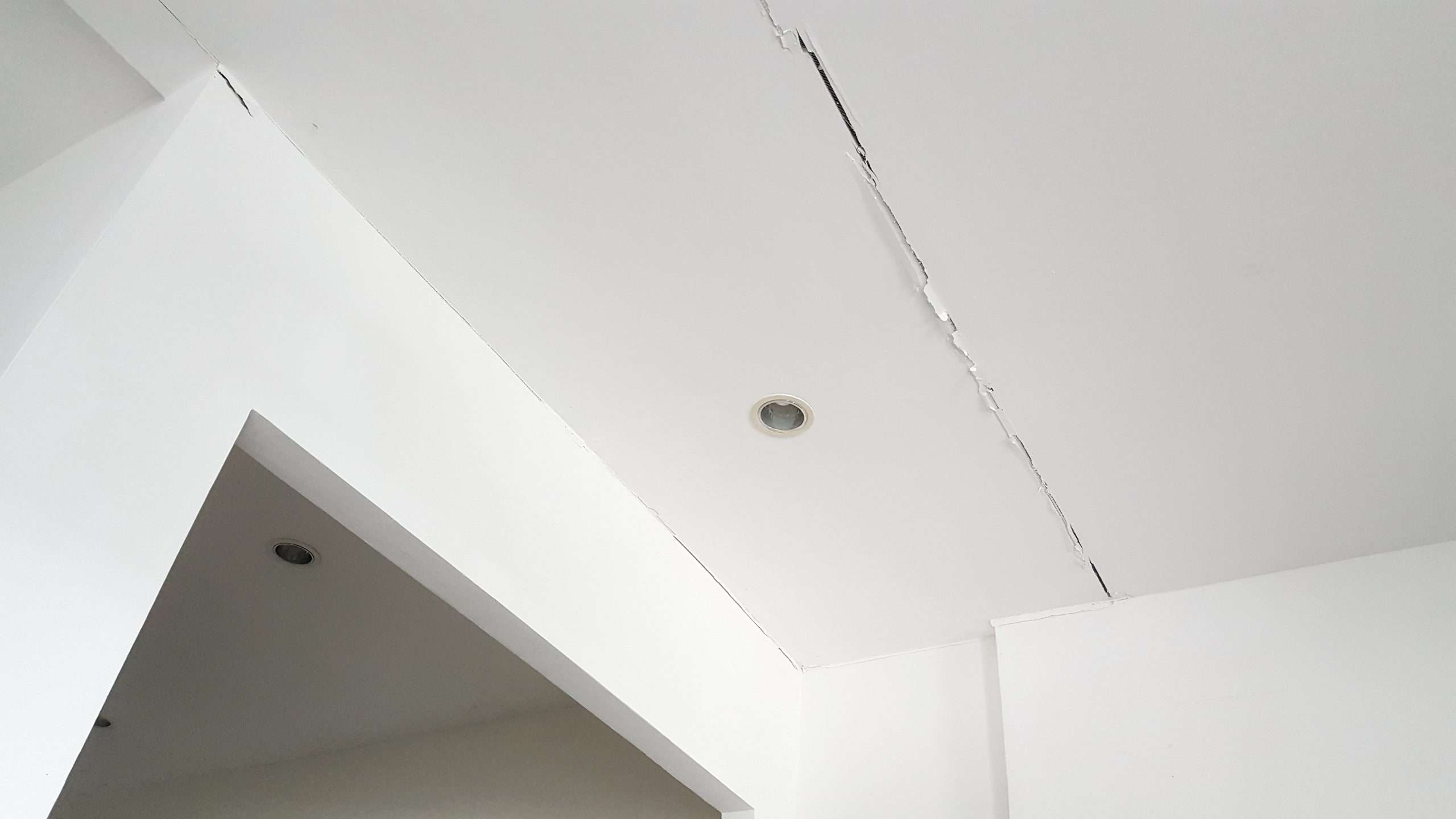
    When it comes to cracks in the walls, some are just cosmetic flaws that are straightforward to fix with some DIY, while others are the first signs of subsidence. Hairline cracks under 1mm are often the result of drying plaster, minor settling or subtle seasonal changes. It’s beneficial to monitor these cracks to make sure they don’t get worse over time.

    The types of cracks you need to be wary of include: cracks that run diagonally or have a stepped pattern, as well as cracks that are wider at the top. If a crack is bigger than 3mm , especially if it appears suddenly or is near vulnerable areas like doors, windows or joints where extensions meet main buildings, it’s a potential sign of structural movement. These internal signs of subsidence should be professionally assessed and treated if required.

    Find out more about subsidence cracks with our guide to problem cracks in walls .

    External Signs of Subsidence

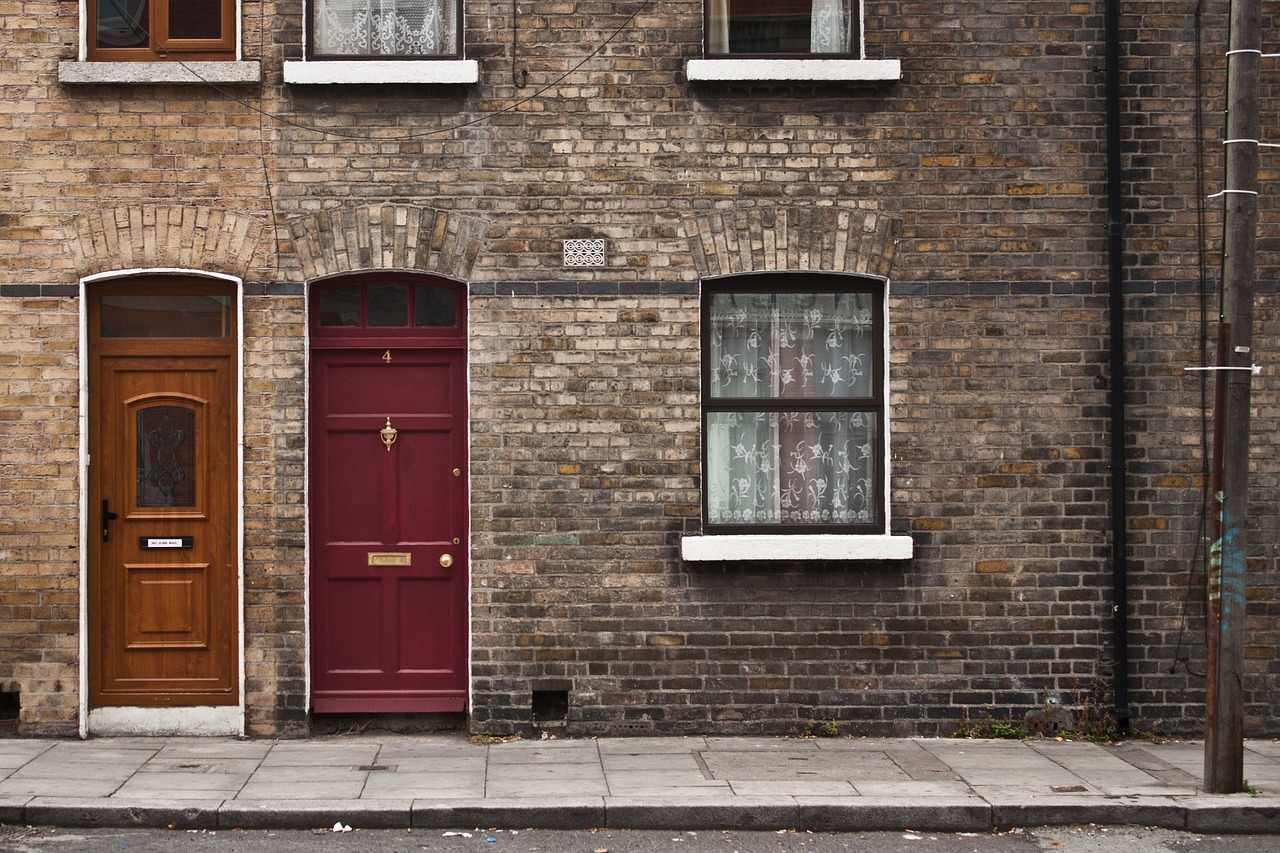
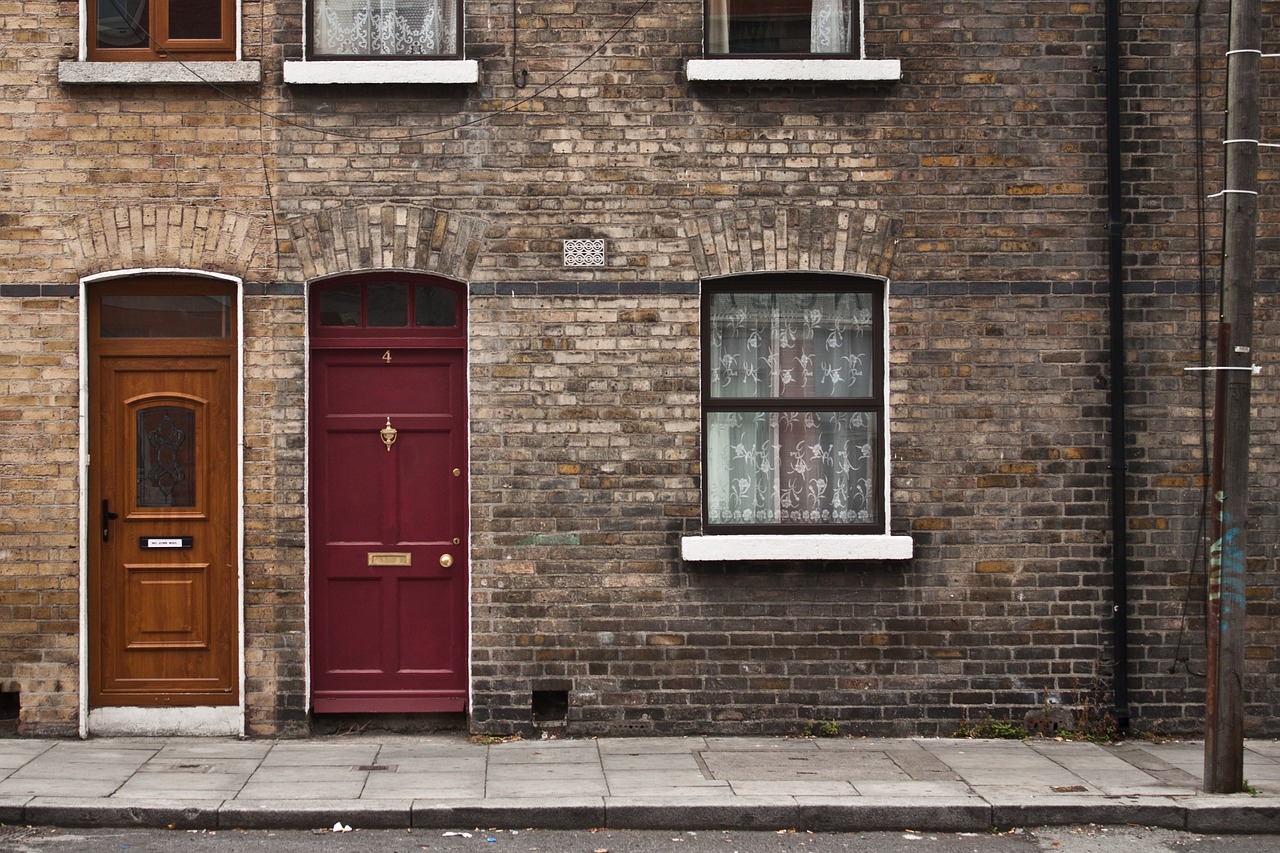
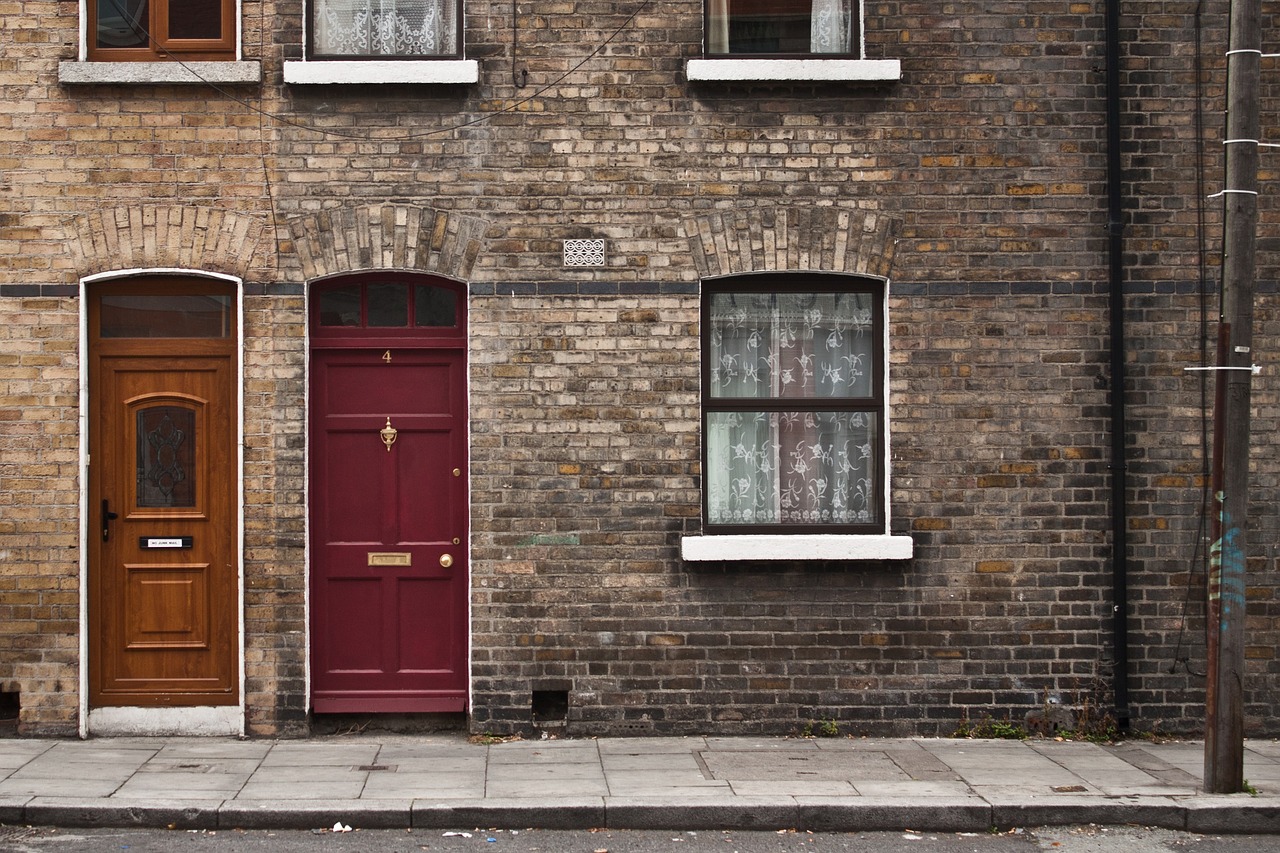
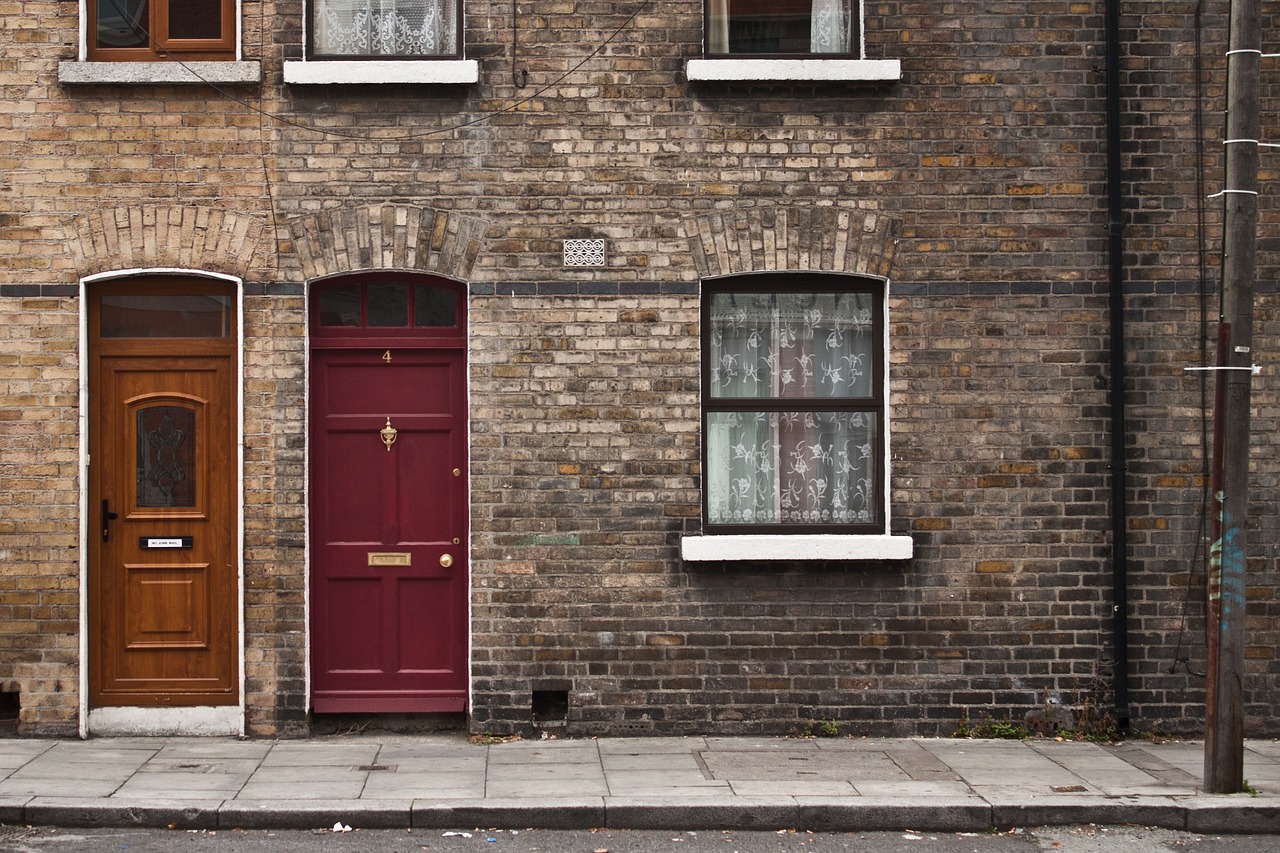
    Externally, subsidence can appear in similar but often more dramatic ways. Look for diagonal or stepped cracks running through the brickwork, as well as visible separation between mortar joints. These can be signs that the bricks are moving due to subsidence.

    Shifting or tilting of porches, extensions, or conservatories, and door frames or windowsills pulling away from the main structure are all indications that unstable ground may be affecting the foundation of your home. These external signs shouldn’t be overlooked, as they usually point to significant underlying movement in the soil.

    Subsidence, Settlement, or Heave?

    It’s important to know the difference between subsidence, settlement, and heave to decide the right course of action. Subsidence involves a moving foundation as a result of shrinking and swelling soil, often identified by diagonal cracks that are wider at the top, with doors and windows starting to stick as the frames shift. Whereas, settlement is a uniform and gradual downward movement that typically happens soon after construction. It’s rarely a cause for concern, unless the movement becomes uneven.

    Heave is the opposite of subsidence, where the ground sinks. It’s when the foundation of a property lifts due to expanding soil, commonly caused by increased moisture, whether it’s a period of prolonged wet weather or a mature tree being removed.

    Signs often include lifting patios or paths, warped door or window frames, and cracks in brickwork that are wider at the bottom. Understanding these differences will help ensure quick and accurate remedial work for each of these structural problems.

    Subsidence Postcode Checker

    If you’re worried about living in a subsidence-prone area, you can use our subsidence postcode checker to see local hotspots and recent cases. Simply enter your postcode to see how many projects Subsidence Ltd has completed in your area. This checker can be particularly useful if you’re considering buying a property in a new area, so you can assess the risk of subsidence.

    The Impact of Seasonal Changes on Subsidence in UK Homes

    The cycle of weather in the UK can impact the soil beneath properties. During dry summers, the soil dries and shrinks, then in wet winters it swells, increasing the likelihood of movement. Over time, seasonal changes can undermine the stability of a home’s foundations, leading to cracks becoming bigger, often around Christmas and New Year.

    Postcode Hotspots for Subsidence in England and Wales

    London has particularly high rates of subsidence, typically due to properties being built on layers of clay, silt and sand deposited by the River Thames over thousands of years. Many areas in Southern England are impacted by dense, over consolidated sedimentary clays like London Clay, Oxford Clay, Gault Clay and Weald Clay too. Building on these ‘shrink-swell’ clays can increase the likelihood of subsidence.

    The clay-rich soils and seasonal weather variations also impact properties in the South Wales Valleys. Not to mention, the rich mining heritage can make subsidence issues more common. Old mining tunnels and shafts create voids that can collapse, impacting current land stability and causing subsidence above ground.

    How to Fix Subsidence

    Traditionally, underpinning was the most popular solution for fixing subsidence; however, this is no longer the case. Resin injections have now replaced this outdated, invasive and time-consuming method, providing an innovative way to treat subsidence.

    Resin injection involves drilling small holes into the ground beneath a property and injecting a specialised resin material that will expand, filling voids, stabilising the foundation and supporting the structure. The whole process can typically be completed in one day, often with no need for planning permission or major disruption.

    This modern solution is highly effective, offering a long-lasting solution to subsidence problems. It creates a stable foundation that can withstand further shifts in soil, offering peace of mind for years to come.

    Often, the results of resin injection are immediate too, from closing cracks to more aligned windows or doors. Unlike traditional underpinning, resin injection doesn’t require excavations. It’s far less invasive and much more convenient. Not to mention, significantly more cost-effective, reducing both labour and material expenses.

    The versatility of resin injections makes this method suitable for a wide range of properties and ground conditions, making it an ideal solution for various subsidence scenarios.

    By using eco-friendly materials and techniques, the whole process is more environmentally conscious too, which is undeniably important in today’s modern world.

    How Much Will it Cost to Repair Subsidence?

    There isn’t a one-size-fits-all answer to this question, as no two subsidence repairs are the same. The cost of the project will depend on the size, location and severity of the problem. However, at Subsidence Ltd, we provide transparent pricing, offering a detailed cost breakdown before work begins, so you will know exactly what you’re paying for.

    More often than not, resin injection is more affordable than traditional underpinning methods. You can get an insight into the different costs involved and request an estimate quote for the subsidence repairs on our website today.

    What Happens if You Don’t Treat Subsidence?

    While most subsidence problems start with minor cosmetic damage, such as cracks in internal walls, they can quickly escalate into more serious structural concerns that undermine the integrity of your property. Over time, the continued movement of the ground can cause cracks in the walls to widen and deepen, impacting the structural skeleton that supports the entire house.

    Doors and windows will gradually become misaligned and harder to open and close, compromising the safety and security of your family. As the foundation continues to shift, floors may start sloping too and water can begin pooling in unexpected areas, increasing the risks of persistent damp and rot, impacting both comfort and health.

    Ultimately, ignoring subsidence can cause extensive structural damage, potentially resulting in your home becoming unsafe or even uninhabitable. This will have a knock-on effect on the value of your property, making it incredibly difficult to sell in the future. Acting quickly as soon as you spot the first signs of subsidence is always the most effective way to minimise repair costs, protect your home and keep your family safe.
  • Recognise the Signs of Subsidence | And What To Do Next

    Recognise the Signs of Subsidence | And What To Do Next

    What is Subsidence?

    Subsidence is a problem that occurs when the ground beneath foundations moves, causing the property above to shift, crack, sink or settle unevenly. It can result in significant structural damage if it’s not identified early and treated correctly, so it’s important to know how to spot the signs of subsidence. If you have subsidence problems, investing in modern resin injections can help you avoid extensive repairs and maintain structural integrity.

    Key Takeaways | Cracks in Walls & What They Mean

    Situation/Sign

    What It Means

    What To Do

    Remember, early assessment prevents costly damage, so contact a specialist if you’re unsure.

    Common Causes & Signs of Subsidence

    For lots of homeowners in the UK, the first signs of subsidence are subtle, often cracks in the walls, sticking doors and windows or shifting floorboards. However, if these signs are overlooked, subsidence will continue to get worse and can result in costly repair work being required. Recognising the signs of subsidence in a house and being aware of the common causes is essential for protecting your biggest investment.

    Soil Type and Ground Conditions

    Properties built on certain types of soil, such as clay and silt soils , are most at risk of subsidence. These soils expand and contract with moisture variations, typically shrinking during dry weather conditions and swelling after heavy rainfall, which can destabilise foundations. South East England and London are known for their clay soils, making homes more vulnerable.

    Impact of Tree Roots and Vegetation

    Any trees or large shrubs near your home can absorb water from the soil, causing it to dry out and shrink, increasing the risk of movement. Factors such as the type of tree species, the size of the tree, the proximity to your property, and the weather conditions will all impact how much of an impact it has on your foundations.

    Water Leaks and Drainage Issues

    Leaking drains and burst underground pipes are common problems, and they can cause more structural problems than you may think. The water can wash away or erode the supporting soil under the foundations, and over time, this will weaken the ground and increase the chance of subsidence. This is often more of an issue in older properties.

    Construction, Foundations & Nearby Activity

    When a property is built, the quality of the construction will have lasting effects. Shallow or inadequate foundations will increase the chances of shifting over time, resulting in subsidence. There’s a chance that vibrations from nearby building work or heavy traffic will also cause damage. Extended properties with different foundation depths are particularly susceptible.

    Former Mining or Industrial Sites

    Homes built in former or current mining regions, or on reclaimed industrial land, are more likely to experience subsidence. The historic activities in these areas can impact the ground conditions, and some homes will even sit directly above disturbed soils, voids or fill materials that are prone to shifting. You can check if a property is in a former coal mining area on the Government website .

    How to Identify Subsidence

    Knowing the early signs of subsidence can help you identify and address any structural issues before they cause significant damage.

    Cracks in the Walls Inside Your House

    When it comes to cracks in the walls, some are just cosmetic flaws that are straightforward to fix with some DIY, while others are the first signs of subsidence. Hairline cracks under 1mm are often the result of drying plaster, minor settling or subtle seasonal changes. It’s beneficial to monitor these cracks to make sure they don’t get worse over time.

    The types of cracks you need to be wary of include: cracks that run diagonally or have a stepped pattern, as well as cracks that are wider at the top. If a crack is bigger than 3mm , especially if it appears suddenly or is near vulnerable areas like doors, windows or joints where extensions meet main buildings, it’s a potential sign of structural movement. These internal signs of subsidence should be professionally assessed and treated if required.

    Find out more about subsidence cracks with our guide to problem cracks in walls .

    External Signs of Subsidence

    Externally, subsidence can appear in similar but often more dramatic ways. Look for diagonal or stepped cracks running through the brickwork, as well as visible separation between mortar joints. These can be signs that the bricks are moving due to subsidence.

    Shifting or tilting of porches, extensions, or conservatories, and door frames or windowsills pulling away from the main structure are all indications that unstable ground may be affecting the foundation of your home. These external signs shouldn’t be overlooked, as they usually point to significant underlying movement in the soil.

    Subsidence, Settlement, or Heave?

    It’s important to know the difference between subsidence, settlement, and heave to decide the right course of action. Subsidence involves a moving foundation as a result of shrinking and swelling soil, often identified by diagonal cracks that are wider at the top, with doors and windows starting to stick as the frames shift. Whereas, settlement is a uniform and gradual downward movement that typically happens soon after construction. It’s rarely a cause for concern, unless the movement becomes uneven.

    Heave is the opposite of subsidence, where the ground sinks. It’s when the foundation of a property lifts due to expanding soil, commonly caused by increased moisture, whether it’s a period of prolonged wet weather or a mature tree being removed.

    Signs often include lifting patios or paths, warped door or window frames, and cracks in brickwork that are wider at the bottom. Understanding these differences will help ensure quick and accurate remedial work for each of these structural problems.

    Subsidence Postcode Checker

    If you’re worried about living in a subsidence-prone area, you can use our subsidence postcode checker to see local hotspots and recent cases. Simply enter your postcode to see how many projects Subsidence Ltd has completed in your area. This checker can be particularly useful if you’re considering buying a property in a new area, so you can assess the risk of subsidence.

    The Impact of Seasonal Changes on Subsidence in UK Homes

    The cycle of weather in the UK can impact the soil beneath properties. During dry summers, the soil dries and shrinks, then in wet winters it swells, increasing the likelihood of movement. Over time, seasonal changes can undermine the stability of a home’s foundations, leading to cracks becoming bigger, often around Christmas and New Year.

    Postcode Hotspots for Subsidence in England and Wales

    London has particularly high rates of subsidence, typically due to properties being built on layers of clay, silt and sand deposited by the River Thames over thousands of years. Many areas in Southern England are impacted by dense, over consolidated sedimentary clays like London Clay, Oxford Clay, Gault Clay and Weald Clay too. Building on these ‘shrink-swell’ clays can increase the likelihood of subsidence.

    The clay-rich soils and seasonal weather variations also impact properties in the South Wales Valleys. Not to mention, the rich mining heritage can make subsidence issues more common. Old mining tunnels and shafts create voids that can collapse, impacting current land stability and causing subsidence above ground.

    How to Fix Subsidence

    Traditionally, underpinning was the most popular solution for fixing subsidence; however, this is no longer the case. Resin injections have now replaced this outdated, invasive and time-consuming method, providing an innovative way to treat subsidence.

    Resin injection involves drilling small holes into the ground beneath a property and injecting a specialised resin material that will expand, filling voids, stabilising the foundation and supporting the structure. The whole process can typically be completed in one day, often with no need for planning permission or major disruption.

    This modern solution is highly effective, offering a long-lasting solution to subsidence problems. It creates a stable foundation that can withstand further shifts in soil, offering peace of mind for years to come.

    Often, the results of resin injection are immediate too, from closing cracks to more aligned windows or doors. Unlike traditional underpinning, resin injection doesn’t require excavations. It’s far less invasive and much more convenient. Not to mention, significantly more cost-effective, reducing both labour and material expenses.

    The versatility of resin injections makes this method suitable for a wide range of properties and ground conditions, making it an ideal solution for various subsidence scenarios.

    By using eco-friendly materials and techniques, the whole process is more environmentally conscious too, which is undeniably important in today’s modern world.

    How Much Will it Cost to Repair Subsidence?

    There isn’t a one-size-fits-all answer to this question, as no two subsidence repairs are the same. The cost of the project will depend on the size, location and severity of the problem. However, at Subsidence Ltd, we provide transparent pricing, offering a detailed cost breakdown before work begins, so you will know exactly what you’re paying for.

    More often than not, resin injection is more affordable than traditional underpinning methods. You can get an insight into the different costs involved and request an estimate quote for the subsidence repairs on our website today.

    What Happens if You Don’t Treat Subsidence?

    While most subsidence problems start with minor cosmetic damage, such as cracks in internal walls, they can quickly escalate into more serious structural concerns that undermine the integrity of your property. Over time, the continued movement of the ground can cause cracks in the walls to widen and deepen, impacting the structural skeleton that supports the entire house.

    Doors and windows will gradually become misaligned and harder to open and close, compromising the safety and security of your family. As the foundation continues to shift, floors may start sloping too and water can begin pooling in unexpected areas, increasing the risks of persistent damp and rot, impacting both comfort and health.

    Ultimately, ignoring subsidence can cause extensive structural damage, potentially resulting in your home becoming unsafe or even uninhabitable. This will have a knock-on effect on the value of your property, making it incredibly difficult to sell in the future. Acting quickly as soon as you spot the first signs of subsidence is always the most effective way to minimise repair costs, protect your home and keep your family safe.
  • Recognise the Signs of Subsidence | And What To Do Next

    Recognise the Signs of Subsidence | And What To Do Next

    What is Subsidence?

    Subsidence is a problem that occurs when the ground beneath foundations moves, causing the property above to shift, crack, sink or settle unevenly. It can result in significant structural damage if it’s not identified early and treated correctly, so it’s important to know how to spot the signs of subsidence. If you have subsidence problems, investing in modern resin injections can help you avoid extensive repairs and maintain structural integrity.

    Key Takeaways | Cracks in Walls & What They Mean

    Situation/Sign

    What It Means

    What To Do

    Remember, early assessment prevents costly damage, so contact a specialist if you’re unsure.

    Common Causes & Signs of Subsidence

    For lots of homeowners in the UK, the first signs of subsidence are subtle, often cracks in the walls, sticking doors and windows or shifting floorboards. However, if these signs are overlooked, subsidence will continue to get worse and can result in costly repair work being required. Recognising the signs of subsidence in a house and being aware of the common causes is essential for protecting your biggest investment.

    Soil Type and Ground Conditions

    Properties built on certain types of soil, such as clay and silt soils , are most at risk of subsidence. These soils expand and contract with moisture variations, typically shrinking during dry weather conditions and swelling after heavy rainfall, which can destabilise foundations. South East England and London are known for their clay soils, making homes more vulnerable.

    Impact of Tree Roots and Vegetation

    Any trees or large shrubs near your home can absorb water from the soil, causing it to dry out and shrink, increasing the risk of movement. Factors such as the type of tree species, the size of the tree, the proximity to your property, and the weather conditions will all impact how much of an impact it has on your foundations.

    Water Leaks and Drainage Issues

    Leaking drains and burst underground pipes are common problems, and they can cause more structural problems than you may think. The water can wash away or erode the supporting soil under the foundations, and over time, this will weaken the ground and increase the chance of subsidence. This is often more of an issue in older properties.

    Construction, Foundations & Nearby Activity

    When a property is built, the quality of the construction will have lasting effects. Shallow or inadequate foundations will increase the chances of shifting over time, resulting in subsidence. There’s a chance that vibrations from nearby building work or heavy traffic will also cause damage. Extended properties with different foundation depths are particularly susceptible.

    Former Mining or Industrial Sites

    Homes built in former or current mining regions, or on reclaimed industrial land, are more likely to experience subsidence. The historic activities in these areas can impact the ground conditions, and some homes will even sit directly above disturbed soils, voids or fill materials that are prone to shifting. You can check if a property is in a former coal mining area on the Government website .

    How to Identify Subsidence

    Knowing the early signs of subsidence can help you identify and address any structural issues before they cause significant damage.

    Cracks in the Walls Inside Your House

    When it comes to cracks in the walls, some are just cosmetic flaws that are straightforward to fix with some DIY, while others are the first signs of subsidence. Hairline cracks under 1mm are often the result of drying plaster, minor settling or subtle seasonal changes. It’s beneficial to monitor these cracks to make sure they don’t get worse over time.

    The types of cracks you need to be wary of include: cracks that run diagonally or have a stepped pattern, as well as cracks that are wider at the top. If a crack is bigger than 3mm , especially if it appears suddenly or is near vulnerable areas like doors, windows or joints where extensions meet main buildings, it’s a potential sign of structural movement. These internal signs of subsidence should be professionally assessed and treated if required.

    Find out more about subsidence cracks with our guide to problem cracks in walls .

    External Signs of Subsidence

    Externally, subsidence can appear in similar but often more dramatic ways. Look for diagonal or stepped cracks running through the brickwork, as well as visible separation between mortar joints. These can be signs that the bricks are moving due to subsidence.

    Shifting or tilting of porches, extensions, or conservatories, and door frames or windowsills pulling away from the main structure are all indications that unstable ground may be affecting the foundation of your home. These external signs shouldn’t be overlooked, as they usually point to significant underlying movement in the soil.

    Subsidence, Settlement, or Heave?

    It’s important to know the difference between subsidence, settlement, and heave to decide the right course of action. Subsidence involves a moving foundation as a result of shrinking and swelling soil, often identified by diagonal cracks that are wider at the top, with doors and windows starting to stick as the frames shift. Whereas, settlement is a uniform and gradual downward movement that typically happens soon after construction. It’s rarely a cause for concern, unless the movement becomes uneven.

    Heave is the opposite of subsidence, where the ground sinks. It’s when the foundation of a property lifts due to expanding soil, commonly caused by increased moisture, whether it’s a period of prolonged wet weather or a mature tree being removed.

    Signs often include lifting patios or paths, warped door or window frames, and cracks in brickwork that are wider at the bottom. Understanding these differences will help ensure quick and accurate remedial work for each of these structural problems.

    Subsidence Postcode Checker

    If you’re worried about living in a subsidence-prone area, you can use our subsidence postcode checker to see local hotspots and recent cases. Simply enter your postcode to see how many projects Subsidence Ltd has completed in your area. This checker can be particularly useful if you’re considering buying a property in a new area, so you can assess the risk of subsidence.

    The Impact of Seasonal Changes on Subsidence in UK Homes

    The cycle of weather in the UK can impact the soil beneath properties. During dry summers, the soil dries and shrinks, then in wet winters it swells, increasing the likelihood of movement. Over time, seasonal changes can undermine the stability of a home’s foundations, leading to cracks becoming bigger, often around Christmas and New Year.

    Postcode Hotspots for Subsidence in England and Wales

    London has particularly high rates of subsidence, typically due to properties being built on layers of clay, silt and sand deposited by the River Thames over thousands of years. Many areas in Southern England are impacted by dense, over consolidated sedimentary clays like London Clay, Oxford Clay, Gault Clay and Weald Clay too. Building on these ‘shrink-swell’ clays can increase the likelihood of subsidence.

    The clay-rich soils and seasonal weather variations also impact properties in the South Wales Valleys. Not to mention, the rich mining heritage can make subsidence issues more common. Old mining tunnels and shafts create voids that can collapse, impacting current land stability and causing subsidence above ground.

    How to Fix Subsidence

    Traditionally, underpinning was the most popular solution for fixing subsidence; however, this is no longer the case. Resin injections have now replaced this outdated, invasive and time-consuming method, providing an innovative way to treat subsidence.

    Resin injection involves drilling small holes into the ground beneath a property and injecting a specialised resin material that will expand, filling voids, stabilising the foundation and supporting the structure. The whole process can typically be completed in one day, often with no need for planning permission or major disruption.

    This modern solution is highly effective, offering a long-lasting solution to subsidence problems. It creates a stable foundation that can withstand further shifts in soil, offering peace of mind for years to come.

    Often, the results of resin injection are immediate too, from closing cracks to more aligned windows or doors. Unlike traditional underpinning, resin injection doesn’t require excavations. It’s far less invasive and much more convenient. Not to mention, significantly more cost-effective, reducing both labour and material expenses.

    The versatility of resin injections makes this method suitable for a wide range of properties and ground conditions, making it an ideal solution for various subsidence scenarios.

    By using eco-friendly materials and techniques, the whole process is more environmentally conscious too, which is undeniably important in today’s modern world.

    How Much Will it Cost to Repair Subsidence?

    There isn’t a one-size-fits-all answer to this question, as no two subsidence repairs are the same. The cost of the project will depend on the size, location and severity of the problem. However, at Subsidence Ltd, we provide transparent pricing, offering a detailed cost breakdown before work begins, so you will know exactly what you’re paying for.

    More often than not, resin injection is more affordable than traditional underpinning methods. You can get an insight into the different costs involved and request an estimate quote for the subsidence repairs on our website today.

    What Happens if You Don’t Treat Subsidence?

    While most subsidence problems start with minor cosmetic damage, such as cracks in internal walls, they can quickly escalate into more serious structural concerns that undermine the integrity of your property. Over time, the continued movement of the ground can cause cracks in the walls to widen and deepen, impacting the structural skeleton that supports the entire house.

    Doors and windows will gradually become misaligned and harder to open and close, compromising the safety and security of your family. As the foundation continues to shift, floors may start sloping too and water can begin pooling in unexpected areas, increasing the risks of persistent damp and rot, impacting both comfort and health.

    Ultimately, ignoring subsidence can cause extensive structural damage, potentially resulting in your home becoming unsafe or even uninhabitable. This will have a knock-on effect on the value of your property, making it incredibly difficult to sell in the future. Acting quickly as soon as you spot the first signs of subsidence is always the most effective way to minimise repair costs, protect your home and keep your family safe.
  • Recognise the Signs of Subsidence | And What To Do Next

    Recognise the Signs of Subsidence | And What To Do Next

    What is Subsidence?

    Subsidence is a problem that occurs when the ground beneath foundations moves, causing the property above to shift, crack, sink or settle unevenly. It can result in significant structural damage if it’s not identified early and treated correctly, so it’s important to know how to spot the signs of subsidence. If you have subsidence problems, investing in modern resin injections can help you avoid extensive repairs and maintain structural integrity.

    Key Takeaways | Cracks in Walls & What They Mean

    Situation/Sign

    What It Means

    What To Do

    Remember, early assessment prevents costly damage, so contact a specialist if you’re unsure.

    Common Causes & Signs of Subsidence

    For lots of homeowners in the UK, the first signs of subsidence are subtle, often cracks in the walls, sticking doors and windows or shifting floorboards. However, if these signs are overlooked, subsidence will continue to get worse and can result in costly repair work being required. Recognising the signs of subsidence in a house and being aware of the common causes is essential for protecting your biggest investment.

    Soil Type and Ground Conditions

    Properties built on certain types of soil, such as clay and silt soils , are most at risk of subsidence. These soils expand and contract with moisture variations, typically shrinking during dry weather conditions and swelling after heavy rainfall, which can destabilise foundations. South East England and London are known for their clay soils, making homes more vulnerable.

    Impact of Tree Roots and Vegetation

    Any trees or large shrubs near your home can absorb water from the soil, causing it to dry out and shrink, increasing the risk of movement. Factors such as the type of tree species, the size of the tree, the proximity to your property, and the weather conditions will all impact how much of an impact it has on your foundations.

    Water Leaks and Drainage Issues

    Leaking drains and burst underground pipes are common problems, and they can cause more structural problems than you may think. The water can wash away or erode the supporting soil under the foundations, and over time, this will weaken the ground and increase the chance of subsidence. This is often more of an issue in older properties.

    Construction, Foundations & Nearby Activity

    When a property is built, the quality of the construction will have lasting effects. Shallow or inadequate foundations will increase the chances of shifting over time, resulting in subsidence. There’s a chance that vibrations from nearby building work or heavy traffic will also cause damage. Extended properties with different foundation depths are particularly susceptible.

    Former Mining or Industrial Sites

    Homes built in former or current mining regions, or on reclaimed industrial land, are more likely to experience subsidence. The historic activities in these areas can impact the ground conditions, and some homes will even sit directly above disturbed soils, voids or fill materials that are prone to shifting. You can check if a property is in a former coal mining area on the Government website .

    How to Identify Subsidence

    Knowing the early signs of subsidence can help you identify and address any structural issues before they cause significant damage.

    Cracks in the Walls Inside Your House

    When it comes to cracks in the walls, some are just cosmetic flaws that are straightforward to fix with some DIY, while others are the first signs of subsidence. Hairline cracks under 1mm are often the result of drying plaster, minor settling or subtle seasonal changes. It’s beneficial to monitor these cracks to make sure they don’t get worse over time.

    The types of cracks you need to be wary of include: cracks that run diagonally or have a stepped pattern, as well as cracks that are wider at the top. If a crack is bigger than 3mm , especially if it appears suddenly or is near vulnerable areas like doors, windows or joints where extensions meet main buildings, it’s a potential sign of structural movement. These internal signs of subsidence should be professionally assessed and treated if required.

    Find out more about subsidence cracks with our guide to problem cracks in walls .

    External Signs of Subsidence

    Externally, subsidence can appear in similar but often more dramatic ways. Look for diagonal or stepped cracks running through the brickwork, as well as visible separation between mortar joints. These can be signs that the bricks are moving due to subsidence.

    Shifting or tilting of porches, extensions, or conservatories, and door frames or windowsills pulling away from the main structure are all indications that unstable ground may be affecting the foundation of your home. These external signs shouldn’t be overlooked, as they usually point to significant underlying movement in the soil.

    Subsidence, Settlement, or Heave?

    It’s important to know the difference between subsidence, settlement, and heave to decide the right course of action. Subsidence involves a moving foundation as a result of shrinking and swelling soil, often identified by diagonal cracks that are wider at the top, with doors and windows starting to stick as the frames shift. Whereas, settlement is a uniform and gradual downward movement that typically happens soon after construction. It’s rarely a cause for concern, unless the movement becomes uneven.

    Heave is the opposite of subsidence, where the ground sinks. It’s when the foundation of a property lifts due to expanding soil, commonly caused by increased moisture, whether it’s a period of prolonged wet weather or a mature tree being removed.

    Signs often include lifting patios or paths, warped door or window frames, and cracks in brickwork that are wider at the bottom. Understanding these differences will help ensure quick and accurate remedial work for each of these structural problems.

    Subsidence Postcode Checker

    If you’re worried about living in a subsidence-prone area, you can use our subsidence postcode checker to see local hotspots and recent cases. Simply enter your postcode to see how many projects Subsidence Ltd has completed in your area. This checker can be particularly useful if you’re considering buying a property in a new area, so you can assess the risk of subsidence.

    The Impact of Seasonal Changes on Subsidence in UK Homes

    The cycle of weather in the UK can impact the soil beneath properties. During dry summers, the soil dries and shrinks, then in wet winters it swells, increasing the likelihood of movement. Over time, seasonal changes can undermine the stability of a home’s foundations, leading to cracks becoming bigger, often around Christmas and New Year.

    Postcode Hotspots for Subsidence in England and Wales

    London has particularly high rates of subsidence, typically due to properties being built on layers of clay, silt and sand deposited by the River Thames over thousands of years. Many areas in Southern England are impacted by dense, over consolidated sedimentary clays like London Clay, Oxford Clay, Gault Clay and Weald Clay too. Building on these ‘shrink-swell’ clays can increase the likelihood of subsidence.

    The clay-rich soils and seasonal weather variations also impact properties in the South Wales Valleys. Not to mention, the rich mining heritage can make subsidence issues more common. Old mining tunnels and shafts create voids that can collapse, impacting current land stability and causing subsidence above ground.

    How to Fix Subsidence

    Traditionally, underpinning was the most popular solution for fixing subsidence; however, this is no longer the case. Resin injections have now replaced this outdated, invasive and time-consuming method, providing an innovative way to treat subsidence.

    Resin injection involves drilling small holes into the ground beneath a property and injecting a specialised resin material that will expand, filling voids, stabilising the foundation and supporting the structure. The whole process can typically be completed in one day, often with no need for planning permission or major disruption.

    This modern solution is highly effective, offering a long-lasting solution to subsidence problems. It creates a stable foundation that can withstand further shifts in soil, offering peace of mind for years to come.

    Often, the results of resin injection are immediate too, from closing cracks to more aligned windows or doors. Unlike traditional underpinning, resin injection doesn’t require excavations. It’s far less invasive and much more convenient. Not to mention, significantly more cost-effective, reducing both labour and material expenses.

    The versatility of resin injections makes this method suitable for a wide range of properties and ground conditions, making it an ideal solution for various subsidence scenarios.

    By using eco-friendly materials and techniques, the whole process is more environmentally conscious too, which is undeniably important in today’s modern world.

    How Much Will it Cost to Repair Subsidence?

    There isn’t a one-size-fits-all answer to this question, as no two subsidence repairs are the same. The cost of the project will depend on the size, location and severity of the problem. However, at Subsidence Ltd, we provide transparent pricing, offering a detailed cost breakdown before work begins, so you will know exactly what you’re paying for.

    More often than not, resin injection is more affordable than traditional underpinning methods. You can get an insight into the different costs involved and request an estimate quote for the subsidence repairs on our website today.

    What Happens if You Don’t Treat Subsidence?

    While most subsidence problems start with minor cosmetic damage, such as cracks in internal walls, they can quickly escalate into more serious structural concerns that undermine the integrity of your property. Over time, the continued movement of the ground can cause cracks in the walls to widen and deepen, impacting the structural skeleton that supports the entire house.

    Doors and windows will gradually become misaligned and harder to open and close, compromising the safety and security of your family. As the foundation continues to shift, floors may start sloping too and water can begin pooling in unexpected areas, increasing the risks of persistent damp and rot, impacting both comfort and health.

    Ultimately, ignoring subsidence can cause extensive structural damage, potentially resulting in your home becoming unsafe or even uninhabitable. This will have a knock-on effect on the value of your property, making it incredibly difficult to sell in the future. Acting quickly as soon as you spot the first signs of subsidence is always the most effective way to minimise repair costs, protect your home and keep your family safe.
  • Recognise the Signs of Subsidence | And What To Do Next

    Recognise the Signs of Subsidence | And What To Do Next

    What is Subsidence?

    Subsidence is a problem that occurs when the ground beneath foundations moves, causing the property above to shift, crack, sink or settle unevenly. It can result in significant structural damage if it’s not identified early and treated correctly, so it’s important to know how to spot the signs of subsidence. If you have subsidence problems, investing in modern resin injections can help you avoid extensive repairs and maintain structural integrity.

    Key Takeaways | Cracks in Walls & What They Mean

    Situation/Sign

    What It Means

    What To Do

    Remember, early assessment prevents costly damage, so contact a specialist if you’re unsure.

    Common Causes & Signs of Subsidence

    For lots of homeowners in the UK, the first signs of subsidence are subtle, often cracks in the walls, sticking doors and windows or shifting floorboards. However, if these signs are overlooked, subsidence will continue to get worse and can result in costly repair work being required. Recognising the signs of subsidence in a house and being aware of the common causes is essential for protecting your biggest investment.

    Soil Type and Ground Conditions

    Properties built on certain types of soil, such as clay and silt soils , are most at risk of subsidence. These soils expand and contract with moisture variations, typically shrinking during dry weather conditions and swelling after heavy rainfall, which can destabilise foundations. South East England and London are known for their clay soils, making homes more vulnerable.

    Impact of Tree Roots and Vegetation

    Any trees or large shrubs near your home can absorb water from the soil, causing it to dry out and shrink, increasing the risk of movement. Factors such as the type of tree species, the size of the tree, the proximity to your property, and the weather conditions will all impact how much of an impact it has on your foundations.

    Water Leaks and Drainage Issues

    Leaking drains and burst underground pipes are common problems, and they can cause more structural problems than you may think. The water can wash away or erode the supporting soil under the foundations, and over time, this will weaken the ground and increase the chance of subsidence. This is often more of an issue in older properties.

    Construction, Foundations & Nearby Activity

    When a property is built, the quality of the construction will have lasting effects. Shallow or inadequate foundations will increase the chances of shifting over time, resulting in subsidence. There’s a chance that vibrations from nearby building work or heavy traffic will also cause damage. Extended properties with different foundation depths are particularly susceptible.

    Former Mining or Industrial Sites

    Homes built in former or current mining regions, or on reclaimed industrial land, are more likely to experience subsidence. The historic activities in these areas can impact the ground conditions, and some homes will even sit directly above disturbed soils, voids or fill materials that are prone to shifting. You can check if a property is in a former coal mining area on the Government website .

    How to Identify Subsidence

    Knowing the early signs of subsidence can help you identify and address any structural issues before they cause significant damage.

    Cracks in the Walls Inside Your House

    When it comes to cracks in the walls, some are just cosmetic flaws that are straightforward to fix with some DIY, while others are the first signs of subsidence. Hairline cracks under 1mm are often the result of drying plaster, minor settling or subtle seasonal changes. It’s beneficial to monitor these cracks to make sure they don’t get worse over time.

    The types of cracks you need to be wary of include: cracks that run diagonally or have a stepped pattern, as well as cracks that are wider at the top. If a crack is bigger than 3mm , especially if it appears suddenly or is near vulnerable areas like doors, windows or joints where extensions meet main buildings, it’s a potential sign of structural movement. These internal signs of subsidence should be professionally assessed and treated if required.

    Find out more about subsidence cracks with our guide to problem cracks in walls .

    External Signs of Subsidence

    Externally, subsidence can appear in similar but often more dramatic ways. Look for diagonal or stepped cracks running through the brickwork, as well as visible separation between mortar joints. These can be signs that the bricks are moving due to subsidence.

    Shifting or tilting of porches, extensions, or conservatories, and door frames or windowsills pulling away from the main structure are all indications that unstable ground may be affecting the foundation of your home. These external signs shouldn’t be overlooked, as they usually point to significant underlying movement in the soil.

    Subsidence, Settlement, or Heave?

    It’s important to know the difference between subsidence, settlement, and heave to decide the right course of action. Subsidence involves a moving foundation as a result of shrinking and swelling soil, often identified by diagonal cracks that are wider at the top, with doors and windows starting to stick as the frames shift. Whereas, settlement is a uniform and gradual downward movement that typically happens soon after construction. It’s rarely a cause for concern, unless the movement becomes uneven.

    Heave is the opposite of subsidence, where the ground sinks. It’s when the foundation of a property lifts due to expanding soil, commonly caused by increased moisture, whether it’s a period of prolonged wet weather or a mature tree being removed.

    Signs often include lifting patios or paths, warped door or window frames, and cracks in brickwork that are wider at the bottom. Understanding these differences will help ensure quick and accurate remedial work for each of these structural problems.

    Subsidence Postcode Checker

    If you’re worried about living in a subsidence-prone area, you can use our subsidence postcode checker to see local hotspots and recent cases. Simply enter your postcode to see how many projects Subsidence Ltd has completed in your area. This checker can be particularly useful if you’re considering buying a property in a new area, so you can assess the risk of subsidence.

    The Impact of Seasonal Changes on Subsidence in UK Homes

    The cycle of weather in the UK can impact the soil beneath properties. During dry summers, the soil dries and shrinks, then in wet winters it swells, increasing the likelihood of movement. Over time, seasonal changes can undermine the stability of a home’s foundations, leading to cracks becoming bigger, often around Christmas and New Year.

    Postcode Hotspots for Subsidence in England and Wales

    London has particularly high rates of subsidence, typically due to properties being built on layers of clay, silt and sand deposited by the River Thames over thousands of years. Many areas in Southern England are impacted by dense, over consolidated sedimentary clays like London Clay, Oxford Clay, Gault Clay and Weald Clay too. Building on these ‘shrink-swell’ clays can increase the likelihood of subsidence.

    The clay-rich soils and seasonal weather variations also impact properties in the South Wales Valleys. Not to mention, the rich mining heritage can make subsidence issues more common. Old mining tunnels and shafts create voids that can collapse, impacting current land stability and causing subsidence above ground.

    How to Fix Subsidence

    Traditionally, underpinning was the most popular solution for fixing subsidence; however, this is no longer the case. Resin injections have now replaced this outdated, invasive and time-consuming method, providing an innovative way to treat subsidence.

    Resin injection involves drilling small holes into the ground beneath a property and injecting a specialised resin material that will expand, filling voids, stabilising the foundation and supporting the structure. The whole process can typically be completed in one day, often with no need for planning permission or major disruption.

    This modern solution is highly effective, offering a long-lasting solution to subsidence problems. It creates a stable foundation that can withstand further shifts in soil, offering peace of mind for years to come.

    Often, the results of resin injection are immediate too, from closing cracks to more aligned windows or doors. Unlike traditional underpinning, resin injection doesn’t require excavations. It’s far less invasive and much more convenient. Not to mention, significantly more cost-effective, reducing both labour and material expenses.

    The versatility of resin injections makes this method suitable for a wide range of properties and ground conditions, making it an ideal solution for various subsidence scenarios.

    By using eco-friendly materials and techniques, the whole process is more environmentally conscious too, which is undeniably important in today’s modern world.

    How Much Will it Cost to Repair Subsidence?

    There isn’t a one-size-fits-all answer to this question, as no two subsidence repairs are the same. The cost of the project will depend on the size, location and severity of the problem. However, at Subsidence Ltd, we provide transparent pricing, offering a detailed cost breakdown before work begins, so you will know exactly what you’re paying for.

    More often than not, resin injection is more affordable than traditional underpinning methods. You can get an insight into the different costs involved and request an estimate quote for the subsidence repairs on our website today.

    What Happens if You Don’t Treat Subsidence?

    While most subsidence problems start with minor cosmetic damage, such as cracks in internal walls, they can quickly escalate into more serious structural concerns that undermine the integrity of your property. Over time, the continued movement of the ground can cause cracks in the walls to widen and deepen, impacting the structural skeleton that supports the entire house.

    Doors and windows will gradually become misaligned and harder to open and close, compromising the safety and security of your family. As the foundation continues to shift, floors may start sloping too and water can begin pooling in unexpected areas, increasing the risks of persistent damp and rot, impacting both comfort and health.

    Ultimately, ignoring subsidence can cause extensive structural damage, potentially resulting in your home becoming unsafe or even uninhabitable. This will have a knock-on effect on the value of your property, making it incredibly difficult to sell in the future. Acting quickly as soon as you spot the first signs of subsidence is always the most effective way to minimise repair costs, protect your home and keep your family safe.

  • Recognise the Signs of Subsidence | And What To Do Next

    Recognise the Signs of Subsidence | And What To Do Next

    What is Subsidence?

    Subsidence is a problem that occurs when the ground beneath foundations moves, causing the property above to shift, crack, sink or settle unevenly. It can result in significant structural damage if it’s not identified early and treated correctly, so it’s important to know how to spot the signs of subsidence. If you have subsidence problems, investing in modern resin injections can help you avoid extensive repairs and maintain structural integrity.

    Key Takeaways | Cracks in Walls & What They Mean

    Situation/Sign

    What It Means

    What To Do

    Remember, early assessment prevents costly damage, so contact a specialist if you’re unsure.

    Common Causes & Signs of Subsidence

    For lots of homeowners in the UK, the first signs of subsidence are subtle, often cracks in the walls, sticking doors and windows or shifting floorboards. However, if these signs are overlooked, subsidence will continue to get worse and can result in costly repair work being required. Recognising the signs of subsidence in a house and being aware of the common causes is essential for protecting your biggest investment.

    Soil Type and Ground Conditions

    Properties built on certain types of soil, such as clay and silt soils , are most at risk of subsidence. These soils expand and contract with moisture variations, typically shrinking during dry weather conditions and swelling after heavy rainfall, which can destabilise foundations. South East England and London are known for their clay soils, making homes more vulnerable.

    Impact of Tree Roots and Vegetation

    Any trees or large shrubs near your home can absorb water from the soil, causing it to dry out and shrink, increasing the risk of movement. Factors such as the type of tree species, the size of the tree, the proximity to your property, and the weather conditions will all impact how much of an impact it has on your foundations.

    Water Leaks and Drainage Issues

    Leaking drains and burst underground pipes are common problems, and they can cause more structural problems than you may think. The water can wash away or erode the supporting soil under the foundations, and over time, this will weaken the ground and increase the chance of subsidence. This is often more of an issue in older properties.

    Construction, Foundations & Nearby Activity

    When a property is built, the quality of the construction will have lasting effects. Shallow or inadequate foundations will increase the chances of shifting over time, resulting in subsidence. There’s a chance that vibrations from nearby building work or heavy traffic will also cause damage. Extended properties with different foundation depths are particularly susceptible.

    Former Mining or Industrial Sites

    Homes built in former or current mining regions, or on reclaimed industrial land, are more likely to experience subsidence. The historic activities in these areas can impact the ground conditions, and some homes will even sit directly above disturbed soils, voids or fill materials that are prone to shifting. You can check if a property is in a former coal mining area on the Government website .

    How to Identify Subsidence

    Knowing the early signs of subsidence can help you identify and address any structural issues before they cause significant damage.

    Cracks in the Walls Inside Your House

    When it comes to cracks in the walls, some are just cosmetic flaws that are straightforward to fix with some DIY, while others are the first signs of subsidence. Hairline cracks under 1mm are often the result of drying plaster, minor settling or subtle seasonal changes. It’s beneficial to monitor these cracks to make sure they don’t get worse over time.

    The types of cracks you need to be wary of include: cracks that run diagonally or have a stepped pattern, as well as cracks that are wider at the top. If a crack is bigger than 3mm , especially if it appears suddenly or is near vulnerable areas like doors, windows or joints where extensions meet main buildings, it’s a potential sign of structural movement. These internal signs of subsidence should be professionally assessed and treated if required.

    Find out more about subsidence cracks with our guide to problem cracks in walls .

    External Signs of Subsidence

    Externally, subsidence can appear in similar but often more dramatic ways. Look for diagonal or stepped cracks running through the brickwork, as well as visible separation between mortar joints. These can be signs that the bricks are moving due to subsidence.

    Shifting or tilting of porches, extensions, or conservatories, and door frames or windowsills pulling away from the main structure are all indications that unstable ground may be affecting the foundation of your home. These external signs shouldn’t be overlooked, as they usually point to significant underlying movement in the soil.

    Subsidence, Settlement, or Heave?

    It’s important to know the difference between subsidence, settlement, and heave to decide the right course of action. Subsidence involves a moving foundation as a result of shrinking and swelling soil, often identified by diagonal cracks that are wider at the top, with doors and windows starting to stick as the frames shift. Whereas, settlement is a uniform and gradual downward movement that typically happens soon after construction. It’s rarely a cause for concern, unless the movement becomes uneven.

    Heave is the opposite of subsidence, where the ground sinks. It’s when the foundation of a property lifts due to expanding soil, commonly caused by increased moisture, whether it’s a period of prolonged wet weather or a mature tree being removed.

    Signs often include lifting patios or paths, warped door or window frames, and cracks in brickwork that are wider at the bottom. Understanding these differences will help ensure quick and accurate remedial work for each of these structural problems.

    Subsidence Postcode Checker

    If you’re worried about living in a subsidence-prone area, you can use our subsidence postcode checker to see local hotspots and recent cases. Simply enter your postcode to see how many projects Subsidence Ltd has completed in your area. This checker can be particularly useful if you’re considering buying a property in a new area, so you can assess the risk of subsidence.

    The Impact of Seasonal Changes on Subsidence in UK Homes

    The cycle of weather in the UK can impact the soil beneath properties. During dry summers, the soil dries and shrinks, then in wet winters it swells, increasing the likelihood of movement. Over time, seasonal changes can undermine the stability of a home’s foundations, leading to cracks becoming bigger, often around Christmas and New Year.

    Postcode Hotspots for Subsidence in England and Wales

    London has particularly high rates of subsidence, typically due to properties being built on layers of clay, silt and sand deposited by the River Thames over thousands of years. Many areas in Southern England are impacted by dense, over consolidated sedimentary clays like London Clay, Oxford Clay, Gault Clay and Weald Clay too. Building on these ‘shrink-swell’ clays can increase the likelihood of subsidence.

    The clay-rich soils and seasonal weather variations also impact properties in the South Wales Valleys. Not to mention, the rich mining heritage can make subsidence issues more common. Old mining tunnels and shafts create voids that can collapse, impacting current land stability and causing subsidence above ground.

    How to Fix Subsidence

    Traditionally, underpinning was the most popular solution for fixing subsidence; however, this is no longer the case. Resin injections have now replaced this outdated, invasive and time-consuming method, providing an innovative way to treat subsidence.

    Resin injection involves drilling small holes into the ground beneath a property and injecting a specialised resin material that will expand, filling voids, stabilising the foundation and supporting the structure. The whole process can typically be completed in one day, often with no need for planning permission or major disruption.

    This modern solution is highly effective, offering a long-lasting solution to subsidence problems. It creates a stable foundation that can withstand further shifts in soil, offering peace of mind for years to come.

    Often, the results of resin injection are immediate too, from closing cracks to more aligned windows or doors. Unlike traditional underpinning, resin injection doesn’t require excavations. It’s far less invasive and much more convenient. Not to mention, significantly more cost-effective, reducing both labour and material expenses.

    The versatility of resin injections makes this method suitable for a wide range of properties and ground conditions, making it an ideal solution for various subsidence scenarios.

    By using eco-friendly materials and techniques, the whole process is more environmentally conscious too, which is undeniably important in today’s modern world.

    How Much Will it Cost to Repair Subsidence?

    There isn’t a one-size-fits-all answer to this question, as no two subsidence repairs are the same. The cost of the project will depend on the size, location and severity of the problem. However, at Subsidence Ltd, we provide transparent pricing, offering a detailed cost breakdown before work begins, so you will know exactly what you’re paying for.

    More often than not, resin injection is more affordable than traditional underpinning methods. You can get an insight into the different costs involved and request an estimate quote for the subsidence repairs on our website today.

    What Happens if You Don’t Treat Subsidence?

    While most subsidence problems start with minor cosmetic damage, such as cracks in internal walls, they can quickly escalate into more serious structural concerns that undermine the integrity of your property. Over time, the continued movement of the ground can cause cracks in the walls to widen and deepen, impacting the structural skeleton that supports the entire house.

    Doors and windows will gradually become misaligned and harder to open and close, compromising the safety and security of your family. As the foundation continues to shift, floors may start sloping too and water can begin pooling in unexpected areas, increasing the risks of persistent damp and rot, impacting both comfort and health.

    Ultimately, ignoring subsidence can cause extensive structural damage, potentially resulting in your home becoming unsafe or even uninhabitable. This will have a knock-on effect on the value of your property, making it incredibly difficult to sell in the future. Acting quickly as soon as you spot the first signs of subsidence is always the most effective way to minimise repair costs, protect your home and keep your family safe.
  • Subsidence Repair Costs | A Breakdown of the Work Involved

    Subsidence Repair Costs | A Breakdown of the Work Involved

    How Much Does Subsidence Repair Cost?

    There is no simple answer. It depends on the severity of the issue, the type of repair method used, and whether there are additional expenses, such as surveys or temporary accommodation, to consider.

    It’s important to be aware that ignoring subsidence is never the cheaper option. If left untreated, subsidence cracks and structural damage will get worse over time, often resulting in more invasive and expensive repairs being required. Acting quickly to repair subsidence is one of the best ways to reduce costs and protect your home.

    Find out all you need to know about identifying subsidence .

    How Subsidence Ltd Prices a Job

    At Subsidence Ltd, we believe in keeping our subsidence repair costs transparent and straightforward. Unlike some providers, we don’t outsource our work to third parties, which means our pricing is competitive and fixed, with no hidden surprises. We also offer flexible payment options to help spread the cost of your repairs.

    Whenever possible, we pass savings directly to our clients. For example, if work is being carried out on multiple properties on the same street, or when we’re referred by existing customers. This helps ensure our subsidence repair costs are some of the most competitive in the market.

    To get started, you can use our online subsidence cost calculator . This tool gives you a quick estimate based on the size of the area affected, although a site visit and engineering survey will be required to provide a final price. You can also call us or email us to speak with a member of our team about the cost of subsidence repairs.

    Here’s a breakdown of what a typical resin injection job includes:

    Step 1 – Set up our level monitoring equipment

    This is a laser system that allows us to monitor the levels of the building as we carry out the treatment

    Step 2 – Set up our drain monitoring equipment

    We monitor your drains in advance of the works to ensure that they are not a cause of the soft soils, and then during the works to ensure there is no resin ingress during our works.

    Step 3 – Locate and expose any incoming below-ground services

    We do this to ensure that we do not damage them during the works. Our competent engineers will expose services to ensure they are protected.

    Step 4 – Carry out any required enabling works

    Carry out any required enabling works (such as lifting flags). We do this for you in most cases, so we only have to move what is necessary, and to avoid you having to do this part of the work.

    Step 5 – Drill a series of 16mm wide holes in predesignated locations

    Drill a series of 16mm wide holes (5 pence piece in diameter) in predesignated specified locations for steel tubes to be inserts to required depths as per the treatment plan provided.

    Step 6 – Inject resin using state-of-the-art equipment

    Inject resin using state-of-the-art equipment into the tubes, which stabilises and strengthens the soils below the foundations. Laser systems are set up to monitor the work until we get to the point of lift.

    Step 7 – Return the site to its original condition

    Return site to original condition – this means putting everything back in the same or better condition than we found it.

    Since our repair method doesn’t require large-scale excavation, most resin injection costs are significantly lower than traditional underpinning costs. Subsidence repairs are usually complete within a couple of days, causing minimal disruption to your home and routine.

    Additional Costs to Consider

    In addition to the main repair work for subsidence issues, there are sometimes additional costs that homeowners should keep in mind.

    Some other costs you need to consider include:

    • Subsidence survey costs – An engineering survey or inspection is often needed before repair work begins to confirm the cause and extent of the problem.

    • Monitoring systems – Tools such as our SUBCHECK remote laser monitoring system will track movement with daily readings, helping prevent unnecessary repairs and saving money in the long-term.

    • Planning considerations – Resin injection doesn’t generally require planning permission , but listed buildings or properties in conservation areas may need special consent. Legal fees could also apply in cases of ownership or boundary disputes.

    • Temporary accommodation – For most resin injection jobs, you will be able to stay in your home, but for underpinning or severe repairs may need to move out temporarily.

    • Insurance – Many home insurance policies cover subsidence repairs , and some even include temporary accommodation. However, you may need to pay an excess fee for insurance claims, so always check with your provider.

    As mentioned above, the costs will vary depending on the repair method. Resin injections are usually the most affordable option, and they are suitable for most properties. In some severe cases, underpinning methods may be required. This is a more time-consuming, labour-intensive and expensive process when compared to resin injection.

    Factoring in these costs will give you a more accurate idea of how much it costs to fix subsidence, and will ensure there are no unexpected surprises.

    Contact Subsidence Ltd

    When you spot signs of subsidence, acting quickly can help to reduce repair costs and keep your family safe.

    At Subsidence Ltd, we pride ourselves on offering expert solutions tailored to your property, with fixed prices and flexible payment options available. For a free consultation and accurate quote, call our team today on 0333 1300592.

  • Subsidence Cracks: All You Need to Know

    Subsidence Cracks: All You Need to Know

    Discovering cracks in the walls of your home can be unnerving. For many, a crack running along an internal wall will immediately raise concerns about the stability of their home. While not every crack will be a sign of serious structural problems, certain types of internal subsidence cracks are an early warning sign that your home’s foundations may be shifting.

    Understanding the difference between harmless hairline cracks and more serious subsidence cracks inside your home is essential. In this post, we explor the different types of cracks which can be a sign of structural issues and what steps you should take if you suspect you have interior wall subsidence cracks.

    5 Signs Your Home Might Have Subsidence

    Before we get into the fine details, here are 5 common signs that your home may have subsidence issues. If in doubt, call a professional. Our subsidence repair method, using resin injection, means repairs can be carried out in as little as a day.

    How to Identify Internal Subsidence Cracks

    Internal wall cracks can vary in size, shape and location. Some will be harmless and nothing to worry about, caused by natural plaster shrinkage, damp drying or even temperature changes. However, subsidence cracks are usually quite distinctive and here’s what to look for:

    Location

    The position of a crack will give you a good idea of its cause. For example, subsidence cracks on internal walls are often found near structural weak points, such as window frames and door frames or ceiling corners. If you notice several cracks running along the same wall, this can also be an indication of structural movement rather than a cosmetic issue.

    Direction

    The angle of a crack is another key factor. Diagonal cracks are often a common sign of structural damage, as well as cracks with a stepped pattern. Whereas, straight vertical cracks are more typical of plaster drying. If you see zigzagging or branching cracks, they may be early internal signs of subsidence, and it’s important not to ignore them.

    Size

    The size and width of a crack can also influence whether it’s serious. Narrow, hairline cracks under 5mm are usually less concerning and often just cosmetic. However, larger cracks that are wider than a 10p coin may be a sign of subsidence. Any cracks that continue to grow over time are particularly worrying as they may suggest your property’s foundations are shifting.

    Appearance

    The appearance of a crack is the final giveaway. When it comes to subsidence cracks inside the home, they often look irregular when compared to surface cracks from minor plaster issues. They are often wider at the top than at the bottom and can be jagged or stepped. A big red flag is if cracks reappear after being filled or decorated, especially in the same location.

    Categories of Cracks

    The Building Research Establishment (BRE) has identified six categories of cracks which linked the width and number of cracks to the type of repair that was appropriate.

    Damage categories with descriptions of typical damage. Ease of repair in italics.

    0 – Hairline cracks of less than about 0.1 mm which are classed as negligible. No action required.

    1 – Fine cracks that can be treated easily using normal decoration . Damage generally restricted to internal wall finishes; cracks rarely visible in external brickwork. Typical crack widths up to 1 mm.

    2 – Cracks easily filled. Recurrent cracks can be masked by suitable linings . Cracks not necessarily visible externally; some external repointing may be required to ensure weather-tightness. Doors and windows may stick slightly and require easing and adjusting. Typical crack widths up to 5 mm.

    3 – Cracks that require some opening up and can be patched by a mason. Repointing of external brickwork and possibly a small amount of brickwork to be replaced . Doors and windows sticking. Service pipes may fracture. Weather-tightness often impaired. Typical crack widths are 5 to 15 mm, or several of, say, 3 mm.

    4 – Extensive damage which requires breaking-out and replacing sections of walls , especially over doors and windows. Windows and door frames distorted, floor sloping noticeably. Walls leaning or bulging noticeably, some loss of bearing in beams. Service pipes disrupted. Typical crack widths are 15 to 25 mm, but also depends on number of cracks.

    5 – Structural damage that requires a major repair job, involving partial or complete rebuilding . Beams lose bearing, walls lean badly and require shoring. Windows broken with distortion. Danger of instability. Typical crack widths are greater than 25 mm, but depends on number of cracks.

    To quote the BRE: “In general, categories 0, 1 and 2 with crack widths up to 5 mm can be regarded as ‘aesthetic’ issues that require only redecoration. Categories 3 and 4 can generally be regarded as ‘serviceability’ issues, that is, they affect the weathertightness of the building and the operation of doors and windows. Category 5 presents ‘stability’ issues and is likely to require structural intervention.”

    You can access the full text on the BRE page: Assessing cracks in houses .

    What To Do Next

    If you are worried about cracks in your property or home, it’s important to take action. Check out our blog on how to fix subsidence cracks . Ignoring internal subsidence cracks will likely result in further damage and more costly repairs in the future. Here’s what you should do next:

    • Monitor the cracks – Keep an eye on their width, direction, and length. You can use remote laser monitoring tools like SUBCHECK to track any changes too.

    • Check for additional signs – Look for other common signs of subsidence, such as doors and windows sticking, sinking or sloping floors, or skirting boards separating from walls.

    • Get professional advice – If cracks are wider than 5mm , diagonal , or getting worse over time, contact a specialist like Subsidence Ltd.

    At Subsidence Ltd, we specialise in identifying and repairing subsidence cracks, and we have decades of experience. Our engineers know how to spot the early internal signs of subsidence and can stabilise your foundations with cutting-edge resin injections. We offer full inspections and surveys to determine the cause of the cracks, using professional monitoring methods to track movement and confirm whether you have subsidence issues.

    Our 10-year warranty can provide peace of mind and ensure your property remains stable for years to come. This warranty reflects the confidence we have in the resin injection method and the standard of service we provide.

    Contact Subsidence Ltd Today

    Visit our contact page and fill out the form. We will get back to you as soon as possible.

    You can also fill out our subsidence repair cost calculator to get an estimate.

  • Do You Live in a Subsidence Hotspot. What Should You Do?

    Do You Live in a Subsidence Hotspot. What Should You Do?

    Subsidence hotspots are areas where the underlying ground is especially prone to shrink-swell or voiding, making subsidence more likely to occur there. If you already live in this kind of hotspot, you can still lower the odds of damage by taking a few careful measures and steps. By understanding the risks of home subsidence , knowing how your insurance provider can help, and adopting sensible preventative measures, even those living in subsidence hotspots can reduce their exposure. Below, we explain what to do next if you live in a high‑risk area.

    Understanding the Risks of Home Subsidence

    Home subsidence can cause many problems for homeowners, from cracked walls and distorted floors to jammed doors and ruptured drains. These structural issues can be very expensive to fix and may depress a property’s value as well as complicate insurance claims. People who live in subsidence hotspots face a higher risk of such problems, as their homes sit on ground where movement is more common. Use a subsidence postcode checker to see whether your area carries a higher risk.

    Call your Insurance Provider

    It is important to tell your buildings insurance provider if you live in a subsidence hotspot. Letting them know you are in a high‑risk zone ensures your policy actually covers subsidence, as some ‘ standard policies ’ exclude or are limited unless you declare the risk up front. Early disclosure protects you from a claim being rejected for non‑notification and allows the insurer to suggest any preventative measures.

    Will I Be Able to Sell My House in the Future?

    Yes; you are still able to sell your home in the future if you live in a subsidence hotspot, but buyers and lenders usually expect evidence that the risk has been and continues to be managed. Ensure you keep any engineering or survey reports, drain-survey certificates, and any completion guarantees for resin injections or underpinning that you might have had ready for solicitors to secure a normal sale.

    Check your Property

    Homeowners also need to check their properties regularly when they live in a hotspot to ensure no subsidence is present. Look for any new cracks in exterior and interior walls, gaps around window frames, and uneven floors. Arrange a CCTV drain survey every few years, inspect gutters and downpipes, and watch for sudden jumps in water‑meter readings. All of these checks help to make sure home subsidence is not affecting your property.

    How to Lower the Risks of Subsidence

    There are a number of practical steps to take to reduce the risk of subsidence affecting your home, even if you live in a known hotspot. Below are three measures to put into practice.

    • Tree Care: Look after the trees around your property by pruning them regularly, and always seek professional advice before removing a large specimen so the ground does not heave as it rehydrates. Ensure you plant new trees well away from the foundations and choose smaller, less‑thirsty species.

    • Check the Drains: Broken or leaking underground pipes wash fine particles from the soil, undermining the footings. Arrange periodic CCTV surveys, or at least keep an eye out for slow‑running gullies and unpleasant odours. Prompt drain repairs will also help prevent voids from forming.

    • Watch Out for Leaks: Dripping taps, defective overflows or leaking heating pipes might seem minor, but a constant trickle beside a wall can soften the ground. Fix indoor plumbing faults promptly, and inspect external taps, gutters and downpipes to ensure water is channelled safely away from the building.

    Need Professional Help? Get in Touch with Subsidence Ltd

    If subsidence is visible in your property, get in touch with the expert team at Subsidence Ltd . We help homeowners across the UK using specialised resin injections and can resolve subsidence problems in as little as a day without the need for underpinning. Our subsidence repairs are priced competitively, and use our subsidence repairs checker to estimate the repair costs. Simply fill out our online contact form or call us directly today to receive a free, no‑obligation quote for subsidence repairs.

  • Should I be worried that wall cracks are subsidence cracks?

    Should I be worried that wall cracks are subsidence cracks?

    A home often develops internal wall cracks at some point, and it can be challenging to determine whether they are seeing a minor, cosmetic crack or the early stages of subsidence. If a crack caused by subsidence is left unattended, it can quickly worsen and continue to grow, leading to further issues; it is therefore vital to identify it as soon as possible and to contact a specialist such as Subsidence Ltd . In this post, we explain how to recognise wall cracks that are unlikely to be home subsidence‑related and highlight the most common types that generally do not require intervention.

    Why Cracks in Your Home Aren’t Always a Sign of Subsidence

    Many people might notice cracks in their home, such as hairline settlement lines, small thermal splits, or slight plaster shrinkage, which can be concerning. These cracks can sometimes appear suddenly or run across a freshly painted wall, and this might alarm homeowners that subsidence is present in their property. However, if you think that the crack in a wall is due to subsidence, it’s important to contact a team of professionals like Subsidence Ltd to take a look.

    The British Research Establishment has listed damage categories with descriptions of typical damage as a guide on when cracks need action.

    Types of Cracks that are Unlikely to Indicate Home Subsidence

    – Settlement Cracks

    Often, newly constructed or renovated homes develop settlement cracks as fresh materials compress and the structure adjusts to its own weight. These fine lines are slim, usually vertical fissures that appear where walls meet ceilings or around window reveals. Once the settling stops, these cracks usually stabilise and only need filling and repainting; so it’s good to just monitor them and ensure they don’t worsen further.

    – Cracks in Plaster

    Internal plaster can crack or split as it dries, reacts to humidity changes, or rests on timber studs that flex with temperature. This process leaves fine crazing or small splits on the surface, while the brick or blockwork behind stays firm. Because the underlying structure remains unaffected, these cosmetic cracks can be remedied with filler and a fresh coat of paint.

    – Cracks Less than 2mm Wide

    Hairline openings under two millimetres wide usually reflect minor shrinkage or settlement rather than true foundation movement. If narrower than the edge of a £1 coin, they rarely affect load‑bearing elements. Such cracks tend to remain static after forming and can generally be concealed with flexible filler, so they do not warrant structural investigation or contacting a subsidence specialist in most domestic cases.

    – Cracks that do not Widen

    When a crack shows no measurable change over several seasons, it suggests that the movement which created it has ceased. The initial shift may have resulted from drying shrinkage, thermal cycling, or slight timber movement. Because the gap is static, the foundation is considered stable and the ground below firm, so no further intervention or subsidence assessment is normally necessary.

    – No Lintels on Windows

    Many older properties rely on brick arches rather than steel or concrete lintels above window and door openings. Minor stepped cracks may appear as the arch settles under load, radiating from the opening due to localised bearing stresses. Installing a modern lintel redistributes the load and resolves the issue without disturbing the foundations, because the cracking is not the result of subsidence.

    – Thermal Cracks

    Different building materials expand and contract at varying rates as temperatures fluctuate, producing vertical or horizontal fissures known as thermal cracks. Because the movement is cyclical and generally uniform across the structure, the load path stays intact and the foundations remain unaffected by subsidence. When the temperature stabilises, the gaps close or reduce, leaving the building sound and requiring only cosmetic repair.

    Contact Subsidence Ltd

    If you notice cracks in your house that suggest subsidence, contact Subsidence Ltd . Our resin‑injection system can raise, re‑level and re‑support your home in as little as a day, avoiding the disruption of underpinning. With over 16 years of experience providing home subsidence repairs and a highly professional and skilled team, trust us to fix any subsidence issues. Use our online subsidence postcode checker to assess the subsidence risk, and our repair‑cost tool to estimate likely expenses. For a free, no‑obligation quote, complete our online contact form or call us on 0333 130 0592 for help with subsidence problems.